
Custom Suit Cost Guide
Share:
Custom suits rarely come with one clean number. They come with layers. Fabric. Construction. Fit. Alterations. Timeline. And, if we are being honest, a fair amount of confusion.
That is why one “custom” suit can cost a few hundred dollars while another climbs into the thousands. From the outside, both may look sharp in a product photo. In real life, they can wear very differently. One feels clean, breathable, and easy from morning to midnight. The other looks fine until you sit down, raise your arms, or catch yourself in a mirror under daylight.
That gap is what this guide is really about.
Because the smartest suit purchase is not always the one with the lowest starting price. It is the one that fits properly, wears often, and still feels like a good decision after the event, after the photos, and after the credit card statement arrives.
At Hangrr, that is the lens: precision over noise, long-term value over short-term theater. A suit built around real bodies, thoughtful construction, and better repeat wear—not just a seductive opening price.
Why This Matters
In the U.S., most men do not buy suits every month. They buy them at pressure points. A wedding. A promotion. A new job. A black-tie invite. A season where the old suit suddenly looks tired, shiny, or suspiciously tight through the seat.
That is exactly why cost matters so much here. You are not just buying cloth. You are buying reliability. You are buying confidence in photos. You are buying something that should move with you, sit cleanly on the shoulder, and feel composed in the moments that tend to matter.
For grooms, professionals, first-time buyers, broader builds, taller frames, shorter men, or anyone who has been burned by standard sizing before, the real question is not “What is the cheapest custom suit?” It is “What will actually be worth wearing?” Hangrr’s fit system is positioned around that exact problem, using AI Fit and human stylist review rather than generic size blocks alone.
What does a custom suit actually cost in the USA?
A realistic U.S. price ladder looks something like this:
- Entry made-to-measure: roughly $400–$600
- Stronger mid-tier custom: roughly $600–$1,000
- Premium made-to-measure or luxury custom: roughly $1,000–$2,000+
- True bespoke: often $3,000–$6,000+
That spread feels dramatic until you understand what is moving the number. INDOCHINO currently promotes Studio Collection suits at $399, while Black Lapel’s custom suit collection currently shows options at $599, $1,099, $1,199, and $1,499.

Sometimes the suit is cheaper because the cloth is simpler, the construction is more basic, and the fit system relies on a standard block with limited intelligence. Sometimes it is more expensive because the fabric is better, the chest and lapel structure are better, the finishing is cleaner, and the pattern work is doing more than simply adjusting sleeve and trouser length.
That is why “custom” is not a useful price category on its own. It is too broad. A suit can be customizable without being truly fit-led. And a suit can be premium without being smart value.
The first big cost driver: fabric
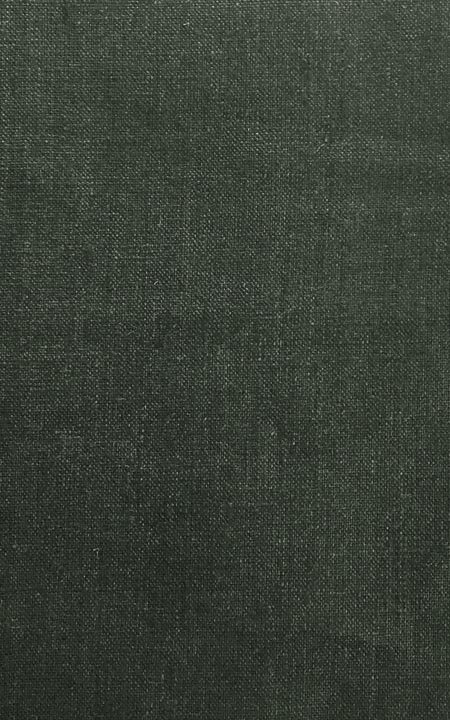
Fabric is usually the first thing people notice when they hear suit prices, and for good reason. It changes the feel, the drape, the temperature, the texture, and often the longevity of the garment.
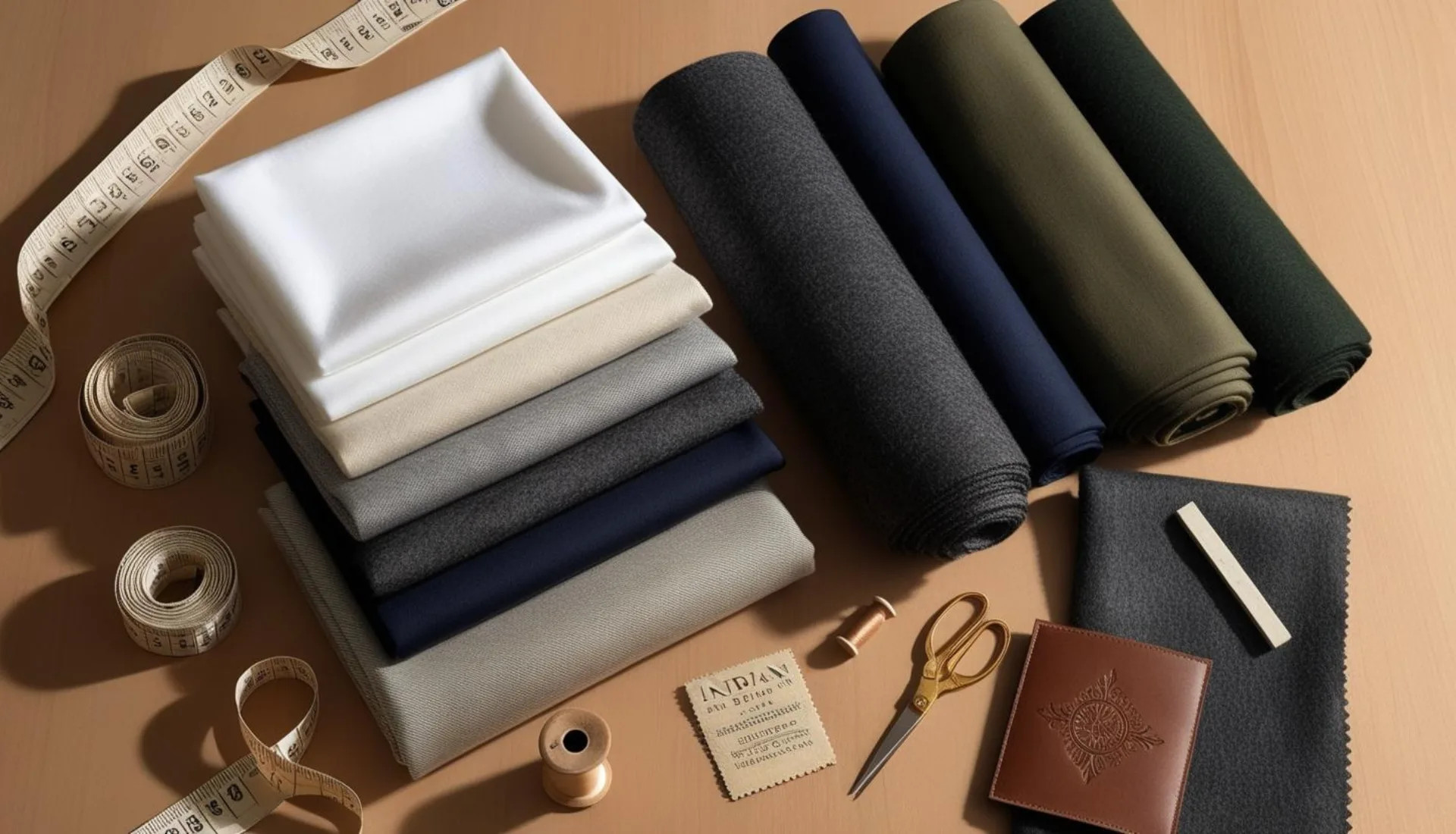
At the lower end, you will often find blended fabrics or simpler cloths that keep the price down but can feel stiff, run hot, or develop that slightly glossy finish nobody asked for. At the mid-tier, the balance improves. Better wools. Better summer blends. Better breathability. Better shape retention. At the higher end, you are paying for finer mills, softer hands, subtler texture, and fabrics that tend to look richer because they are richer.
But the real point is not “expensive fabric good, cheap fabric bad.” It is context.
A first custom suit for most U.S. buyers should work hard. That means breathable enough for long days, polished enough for formal settings, and forgiving enough to wear across seasons. A good wool, tropical wool, linen blend, or modern plant-based alternative can often do more practical work than a flashy fabric chosen purely for bragging rights.
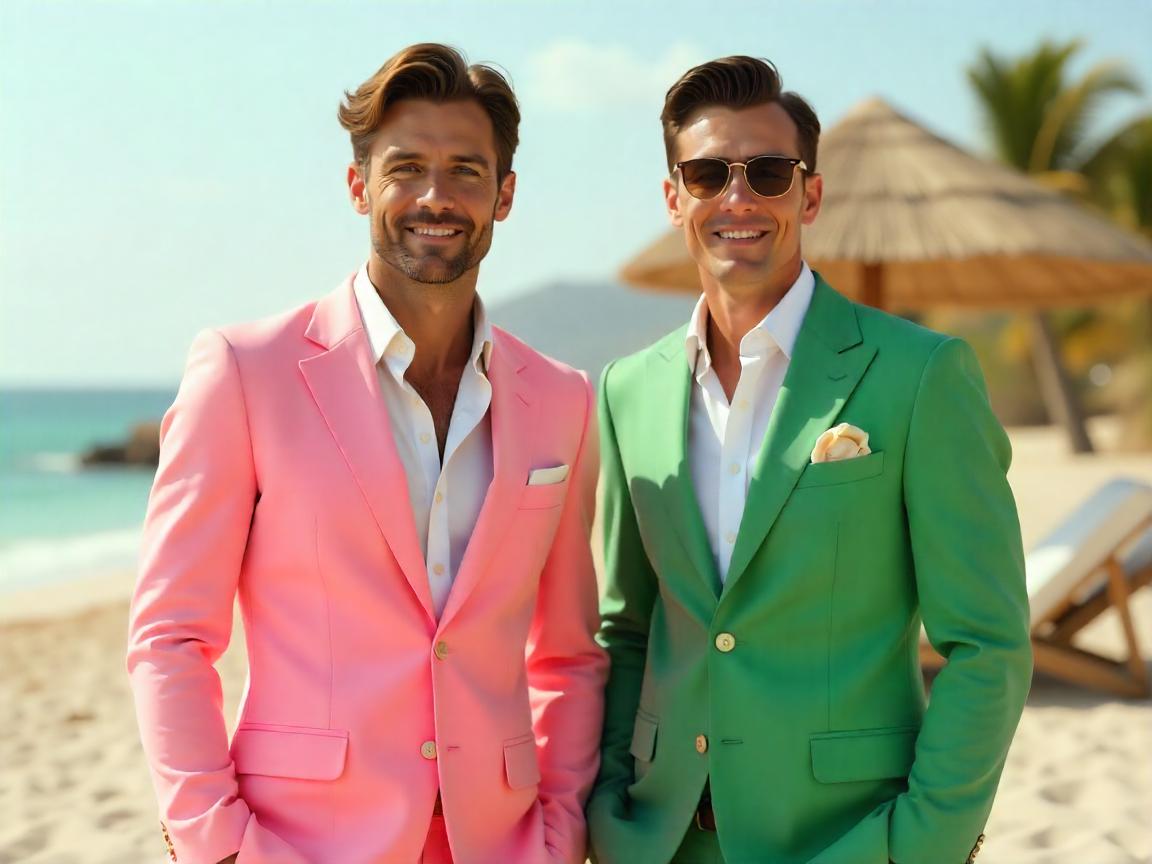
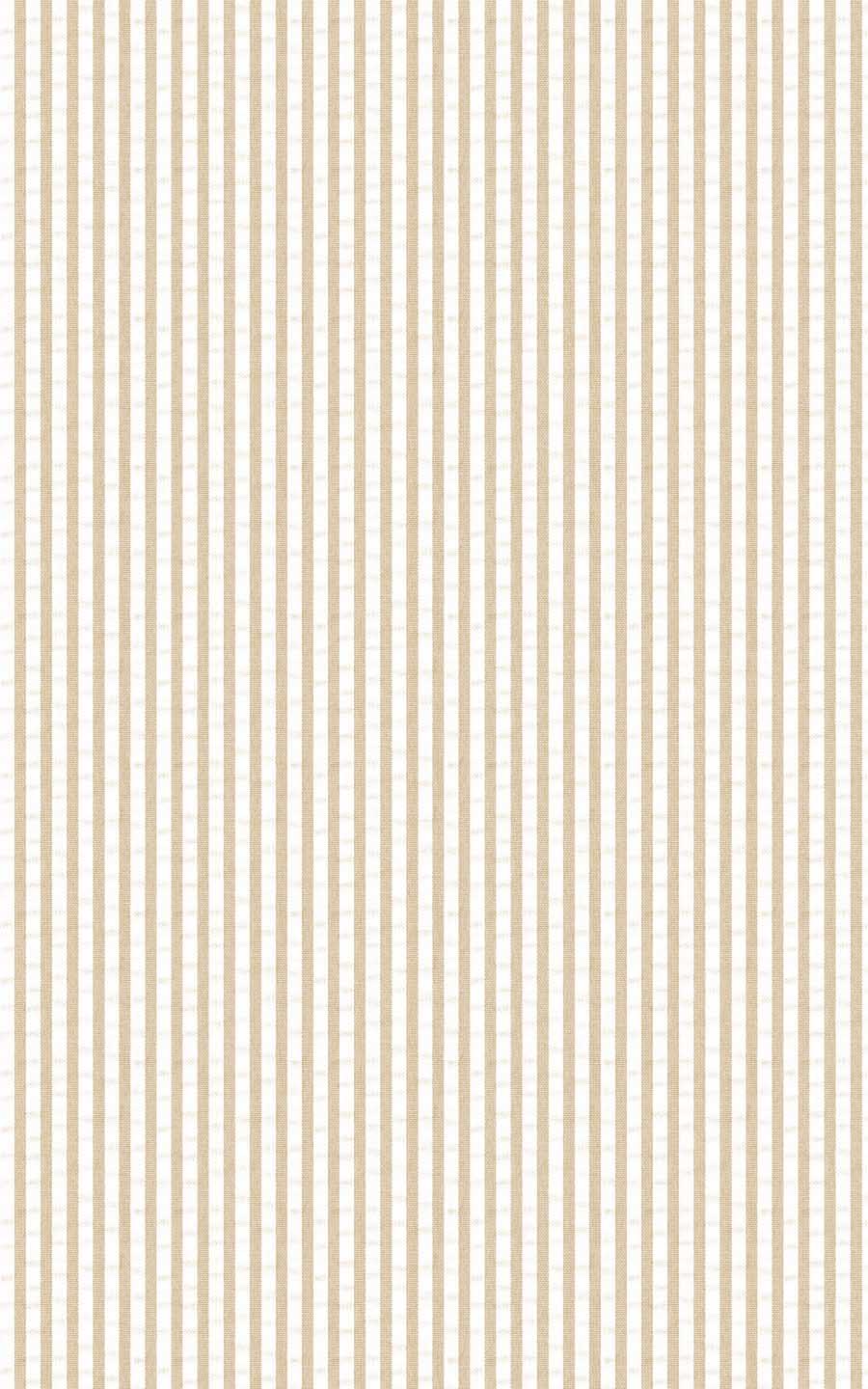
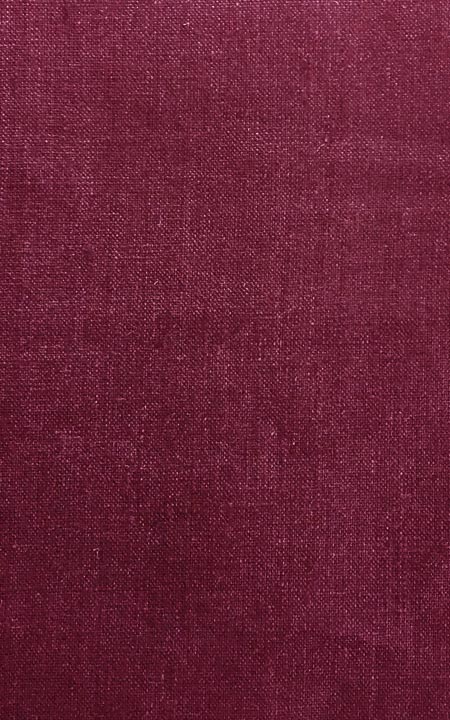
At Hangrr, this is where the value story gets more interesting. The brand does not treat fabric as decoration or a luxury checkbox. It treats it as part of how the suit actually lives on your body. That means offering fabrics that feel breathable, drape cleanly, and photograph well, alongside vegan-forward and plant-powered options for men who want something more modern than the usual heavy, shiny formula. The result is a suit that feels considered rather than overbuilt—sharp enough for formal moments, comfortable enough for long wear, and versatile enough to earn its place in your wardrobe.





Construction is the part you do not see—until you do
A suit can look decent on a hanger and still fall apart as an experience once you wear it for a few hours. That is usually a construction story.
The broad categories are familiar:
- Fused: the most budget-friendly, usually less breathable, less flexible over time
- Half-canvassed: a stronger middle ground, with better structure through the chest and lapel
- Full-canvassed: more labor-intensive, more expensive, and often more refined over time
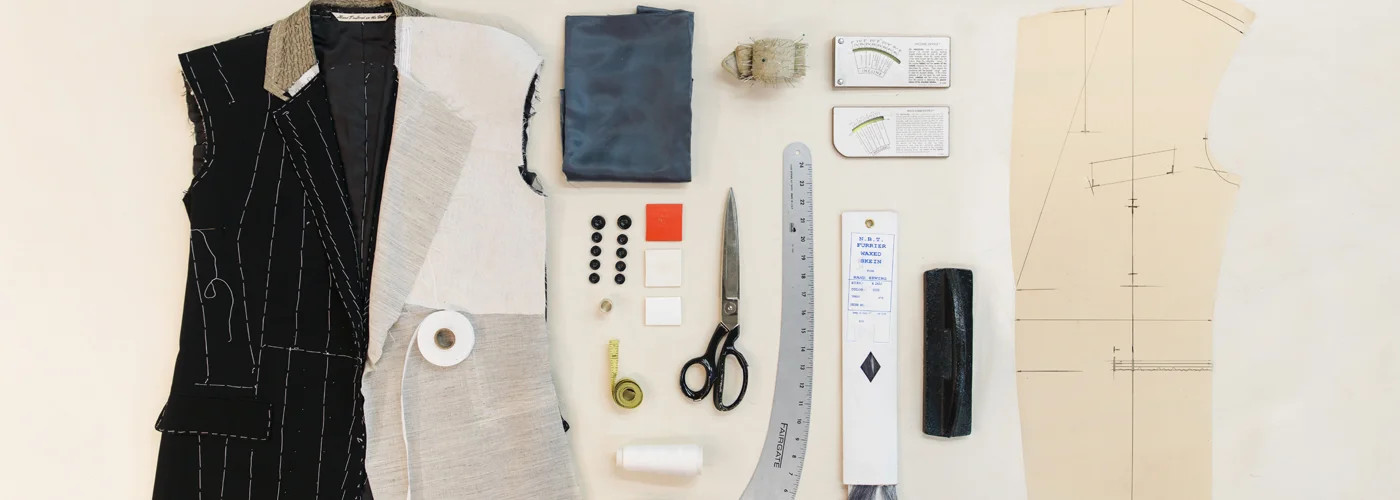
This matters because construction shapes how a jacket hangs, how it moves, and how well it ages. A better-built suit tends to feel engineered, not improvised. The chest sits cleaner. The lapels roll better. The silhouette stays sharper deep into the day instead of giving up by lunch.
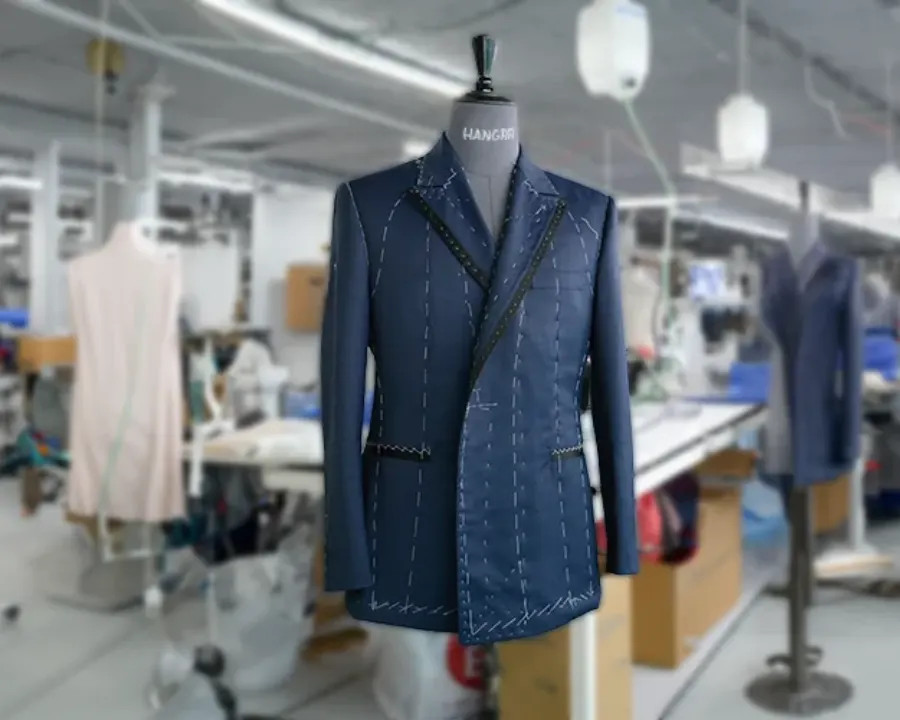
Hangrr leans hard into that middle ground. Its live custom-suit pages describe hand-stitched half-canvas construction, expert stylist review, and production in a wholly owned atelier rather than outsourced contract factories. That is a meaningful difference in how value gets built into the garment. See the half-canvassed suit guide if you want the long version.
Shop Our Half - Canvas Suits!
Fit is not a detail. It is the reason custom exists
This is where the conversation gets real.
Nobody goes custom because they are passionate about numbers on a size label. They go custom because they want the shoulder to sit right. They want the chest to lie flat. They want the waist to shape without pulling. They want the trousers to break cleanly instead of puddling like a last-minute compromise.
In tailoring, fit is not one thing. It is a chain reaction.
If the shoulder is wrong, the rest of the jacket is already apologizing.
If the armhole is too low, the coat lifts every time you move.
If the chest balance is off, the lapel starts gaping.
If the rise is wrong, the whole silhouette loses its proportion.
That is why so many men spend money twice. First on the suit. Then on the attempt to rescue it.
A smarter custom system tries to solve more of that before the garment is made. That is where Hangrr custom suits enter naturally into the conversation. The value is not simply “customization.” It is AI Fit, pattern generation unique to the customer, and a human stylist review step before the garment ships. Hangrr’s design studio says no tape measure is required for its AI process, though manual sizing is still available.
If you want the low-anxiety version of custom, discover how Hangrr’s 180-day fit guarantee removes a lot of the fear from getting the fit right the first time. Hangrr says the policy includes free alterations within 180 days and remakes if the first fit is not right.
The hidden bill: alterations, remakes, and wasted confidence
This is the part most buyers forget to budget for.
The listed price is only one number. The finished price is another.
A lower-priced suit can quickly pick up extra cost through hemming, sleeve shortening, waist suppression, seat adjustments, rush alteration fees, or second-round tweaks after the first fix did not quite solve the problem. And even then, some issues are not worth chasing. You can hem a trouser. You can shorten a sleeve. You cannot magically redesign a bad shoulder or teach a low armhole new tricks.
That is why cheap tailoring can become expensive tailoring. Not because the original price was low, but because the starting point was weak.
This is also where the real emotional cost shows up. A suit that is technically “fixed” but never feels fully right tends to stay in the closet. It becomes the thing you own but do not trust. And that is not value. That is just a dressed-up write-off.
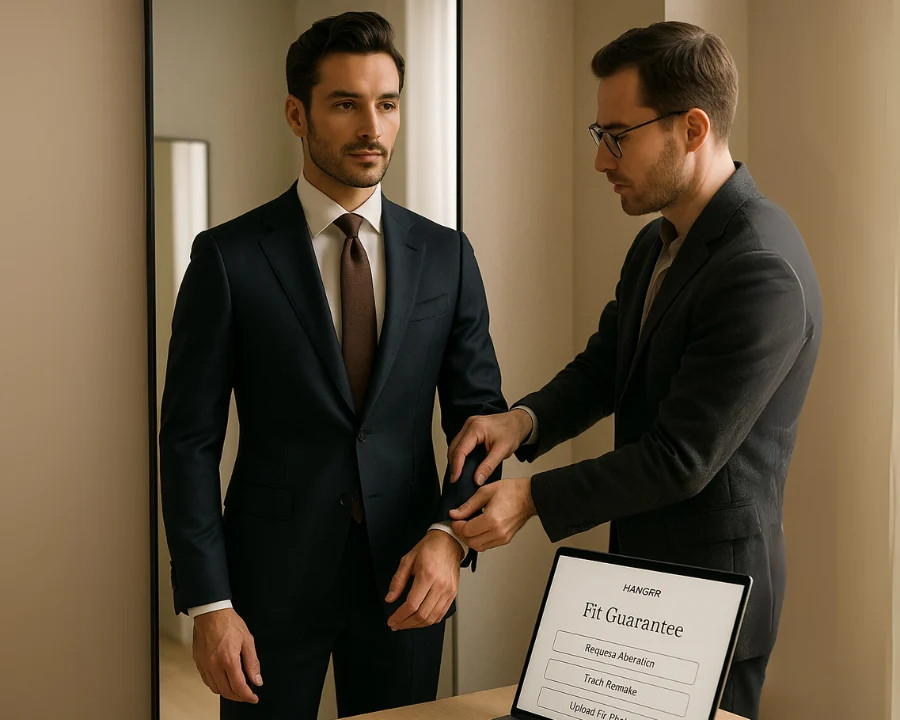
Hangrr’s whole proposition is stronger here than a typical retail fit model because it shifts attention toward getting the pattern logic right earlier. Less alterations theater. Less post-purchase improvisation. More wearability from day one. That is also the logic behind its AI-Fit design studio and guarantee structure.
Cost per wear is the only number that tells the truth
A custom suit should not be judged like a one-night expense. It should be judged like a working part of your wardrobe.
That is where cost per wear becomes useful.
A $700 suit worn 20 times costs less per wear than a $350 suit worn twice and quietly avoided. A tuxedo bought well can outvalue several rentals. A navy suit that carries you through work, weddings, dinners, and travel usually beats a cheaper occasion suit that only works under one very specific set of lighting conditions.
This is one of the clearest reasons Hangrr’s pitch lands. Its custom-suit page explicitly frames the offer around work, weddings, and “moments that matter,” while pairing that with factory-direct pricing, AI-generated patterns, and a 180-day guarantee. That combination is built for rewear, not one-night survival.
How much should you spend, then?
For most U.S. buyers, there is a very sane middle ground.
If you are on a tight budget, the entry custom tier can work—provided you understand the compromises and choose carefully. If you want the best mix of versatility, fabric quality, repeat wear, and fit value, the sweet spot is usually the mid-tier. That is where the purchase starts to feel less like a workaround and more like a wardrobe decision.
A useful framework:
- $400–$600 if you need an entry point and will choose conservatively
- $600–$1,000 if you want the best balance of fabric, construction, and fit value
- $1,000+ if you care deeply about premium cloth, refined finishing, or elevated occasion dressing
- $3,000+ if you want true bespoke craftsmanship and understand what that world is charging for
For most professionals, grooms, and style-conscious buyers, that middle zone is where the smartest money tends to land. Enough budget for good decisions. Not so much that you are paying primarily for mythology.
What a smart first custom suit looks like
Most men do not need a dramatic first purchase. They need a reliable one.
That usually means a suit that is navy or charcoal, single-breasted, two-button, notch lapel, moderate waist suppression, mid-rise trousers, and a slight break. In other words, something that can move through the real American calendar: meetings, receptions, dinners, weddings, and travel.
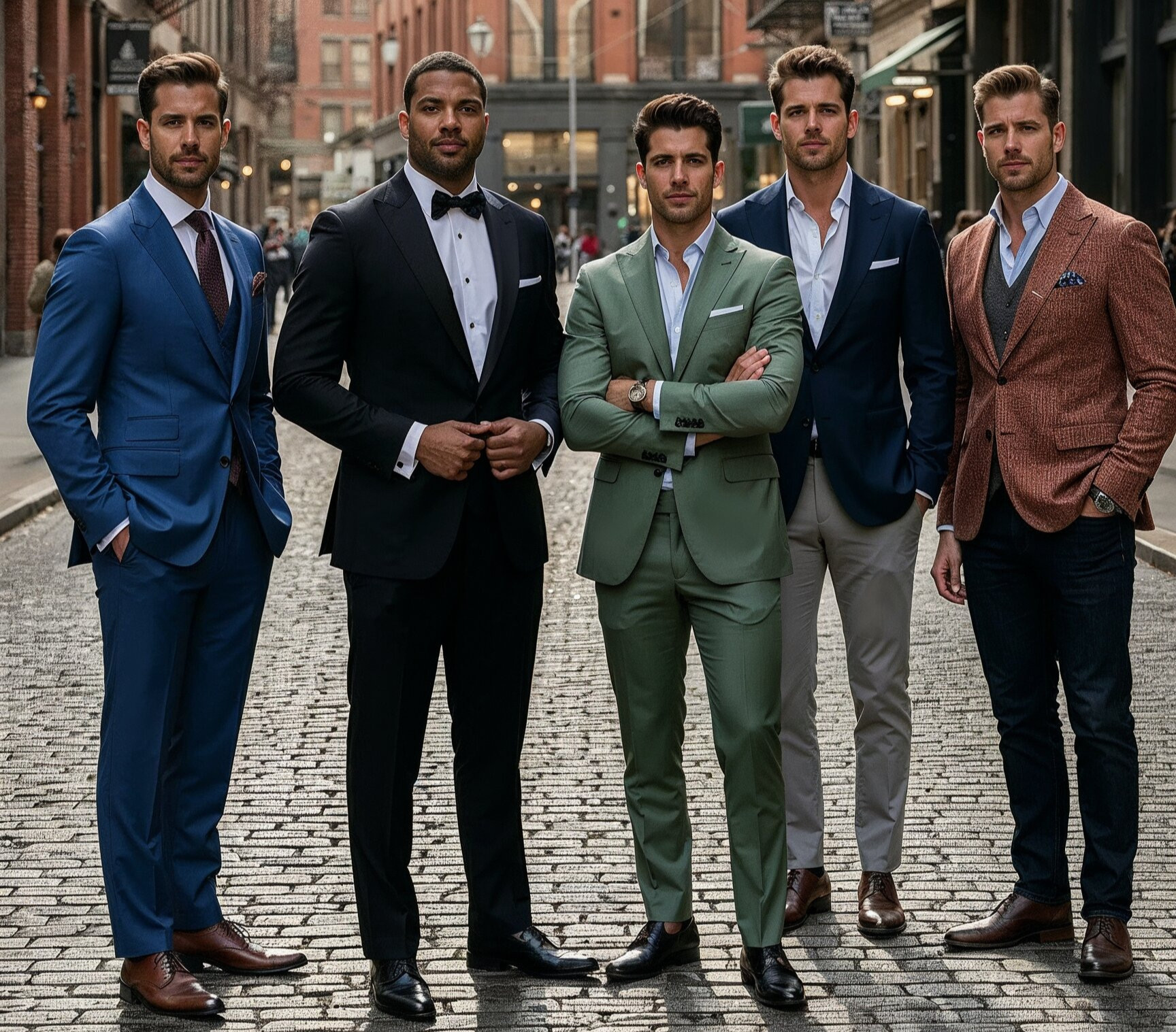
Get that suit right and the cost story improves immediately. Because now the garment is useful. Rewearable. Flexible. Calmly elegant.
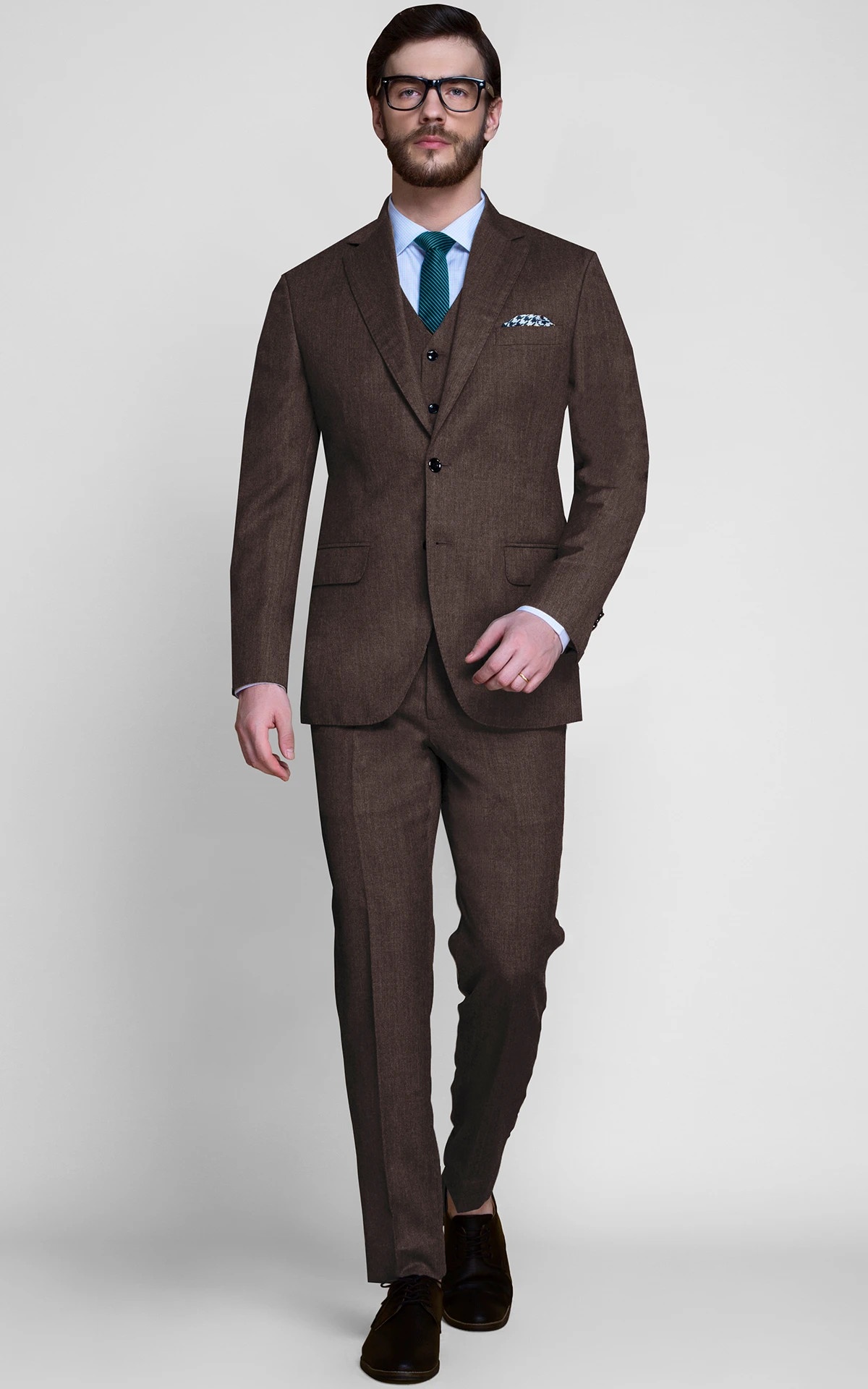
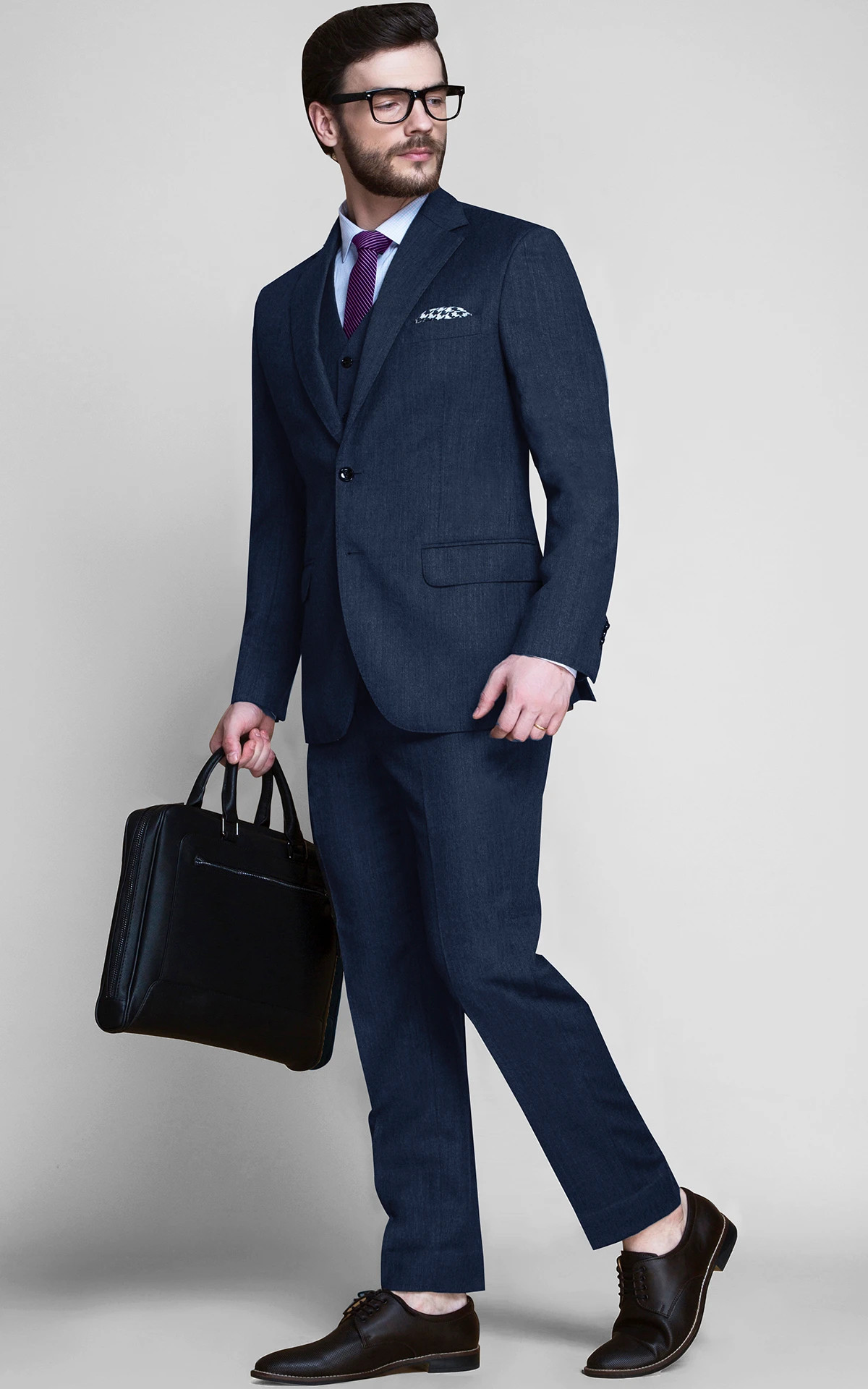
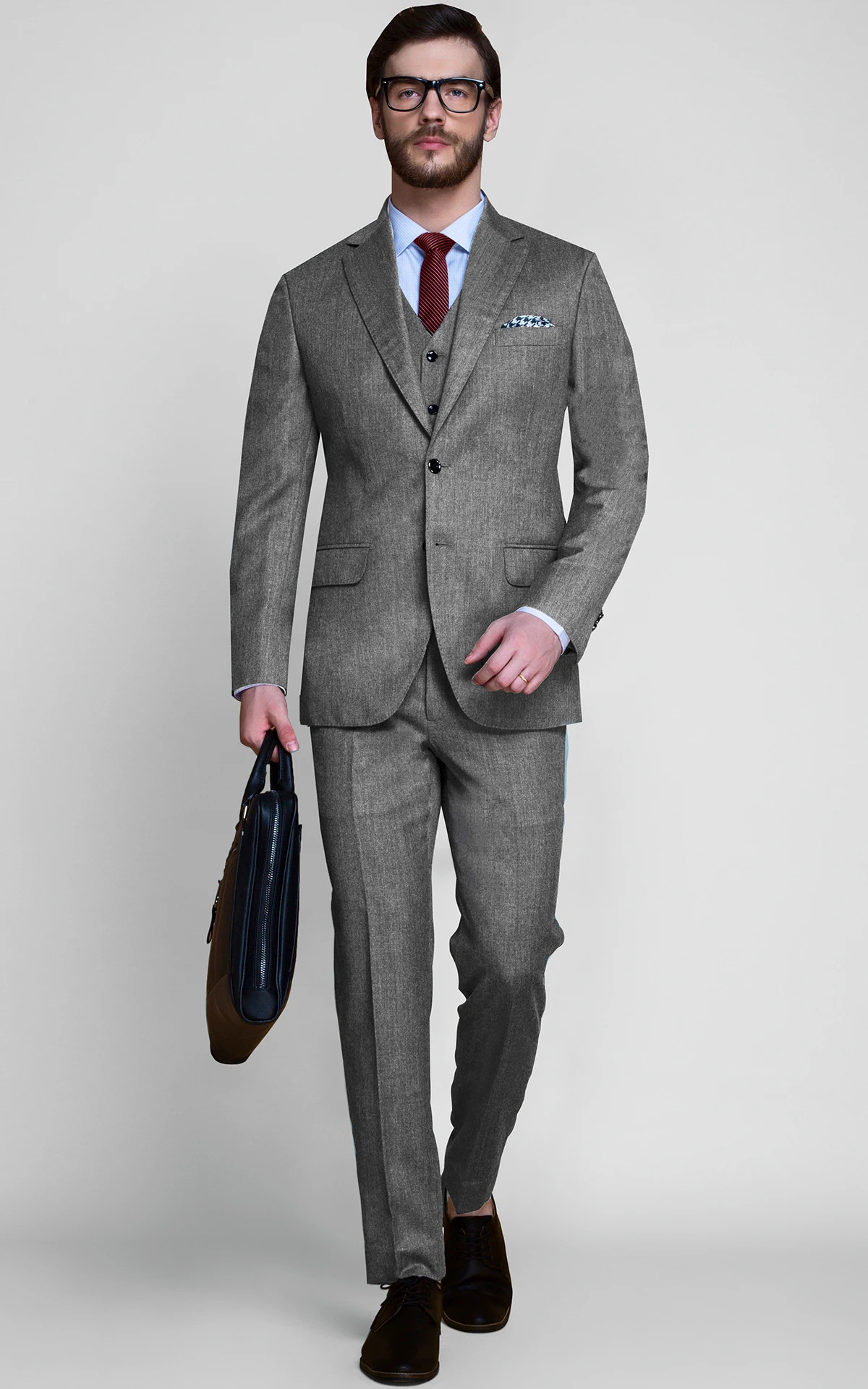
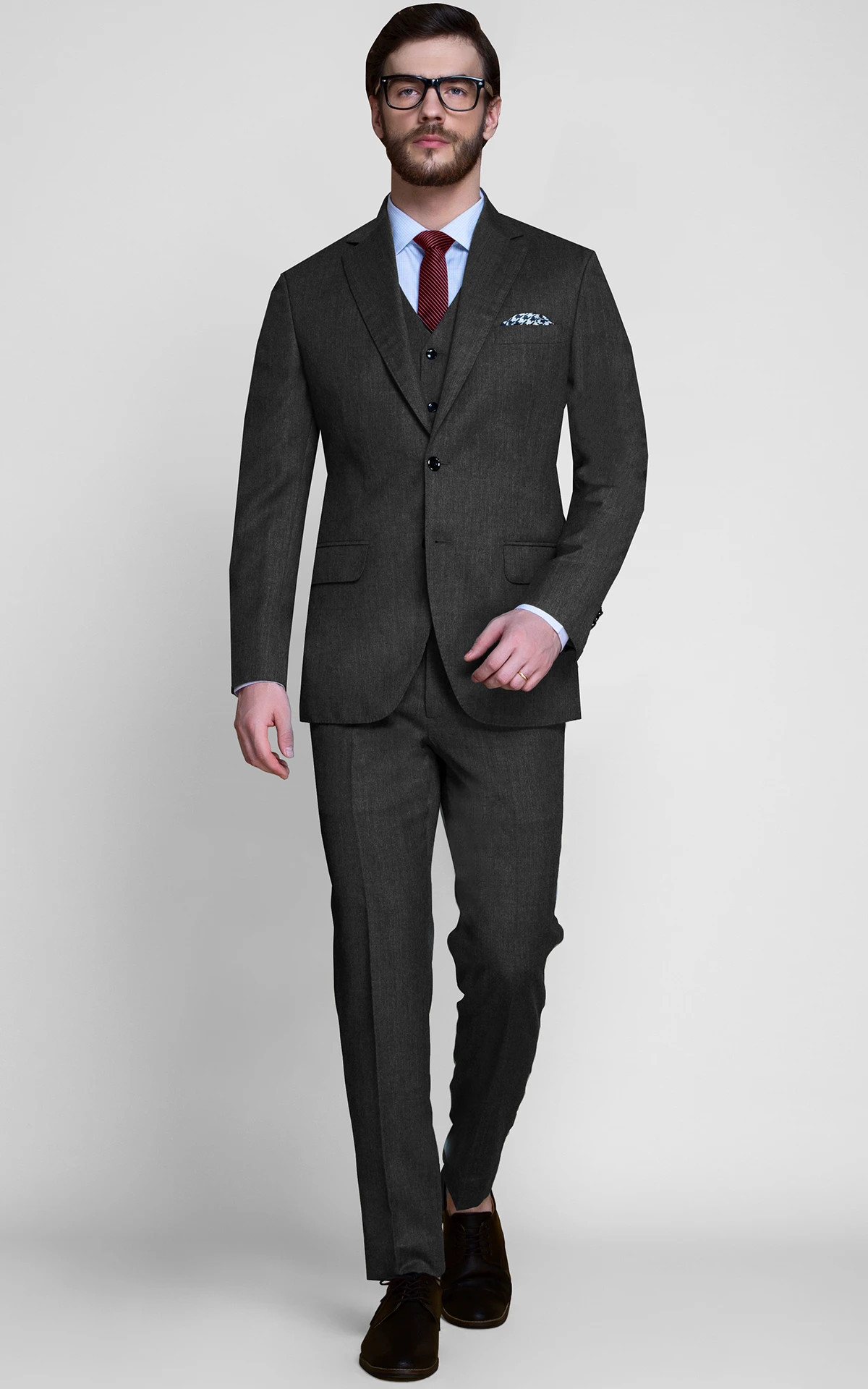
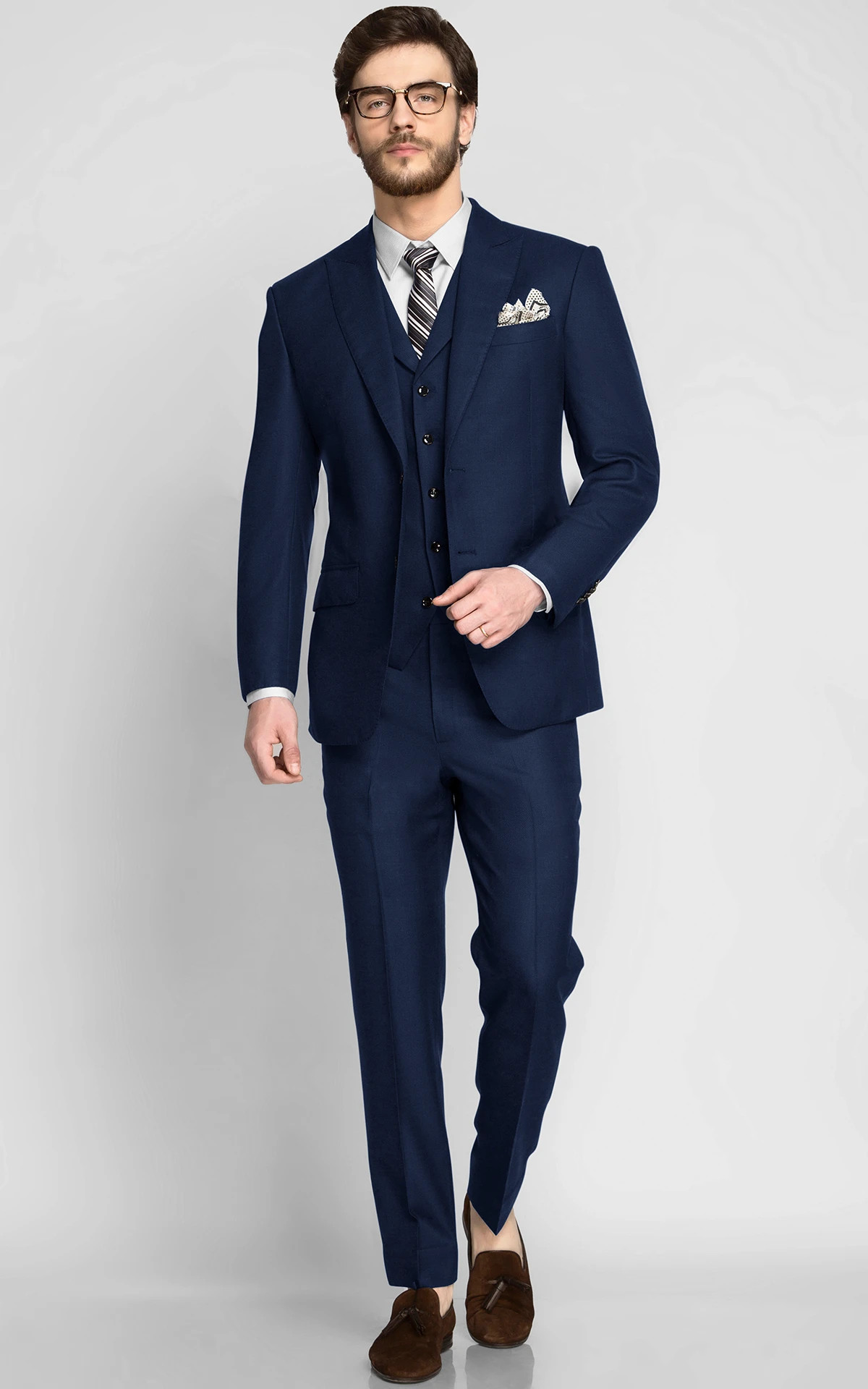
Here are a few suits that match that mindset:
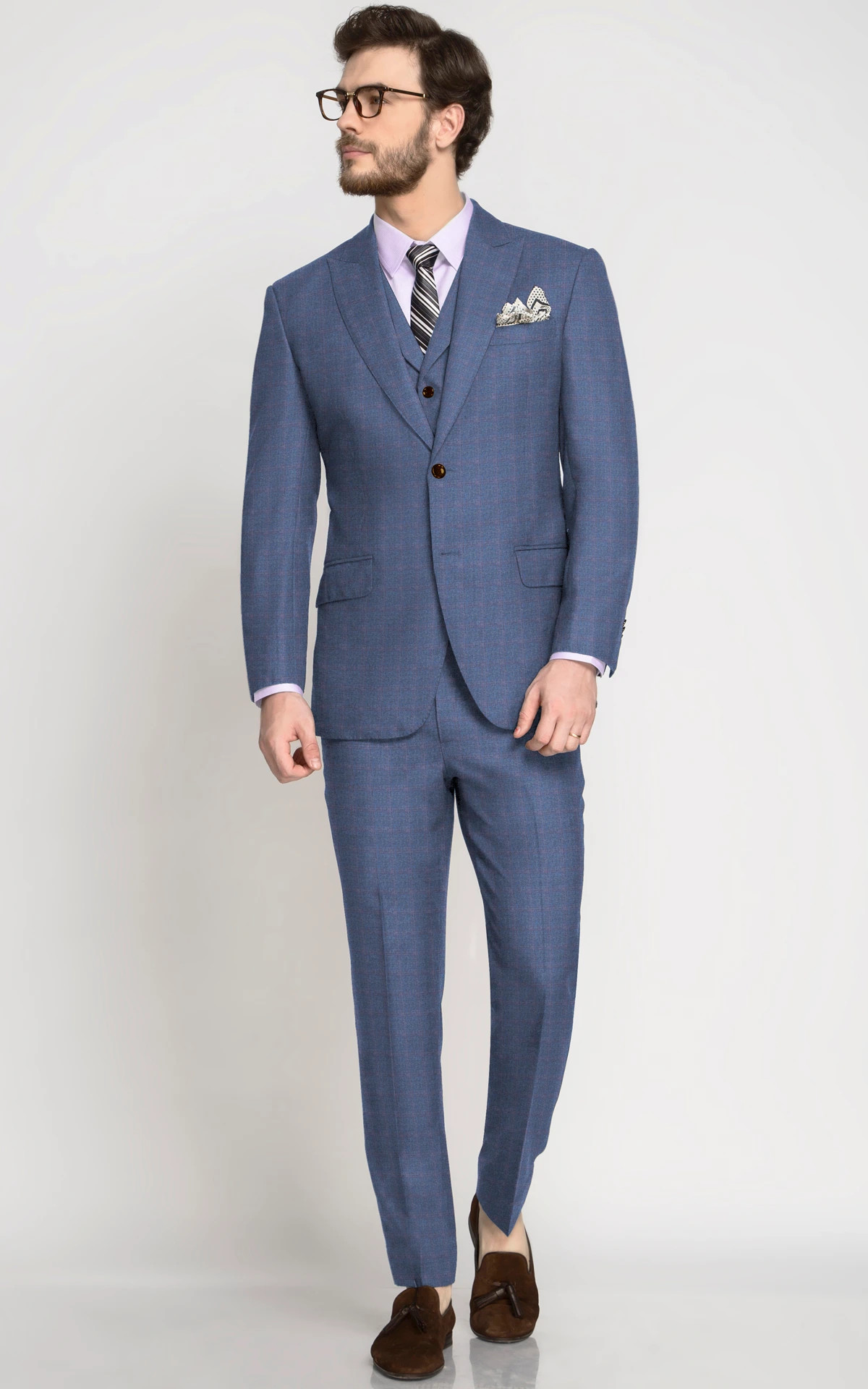
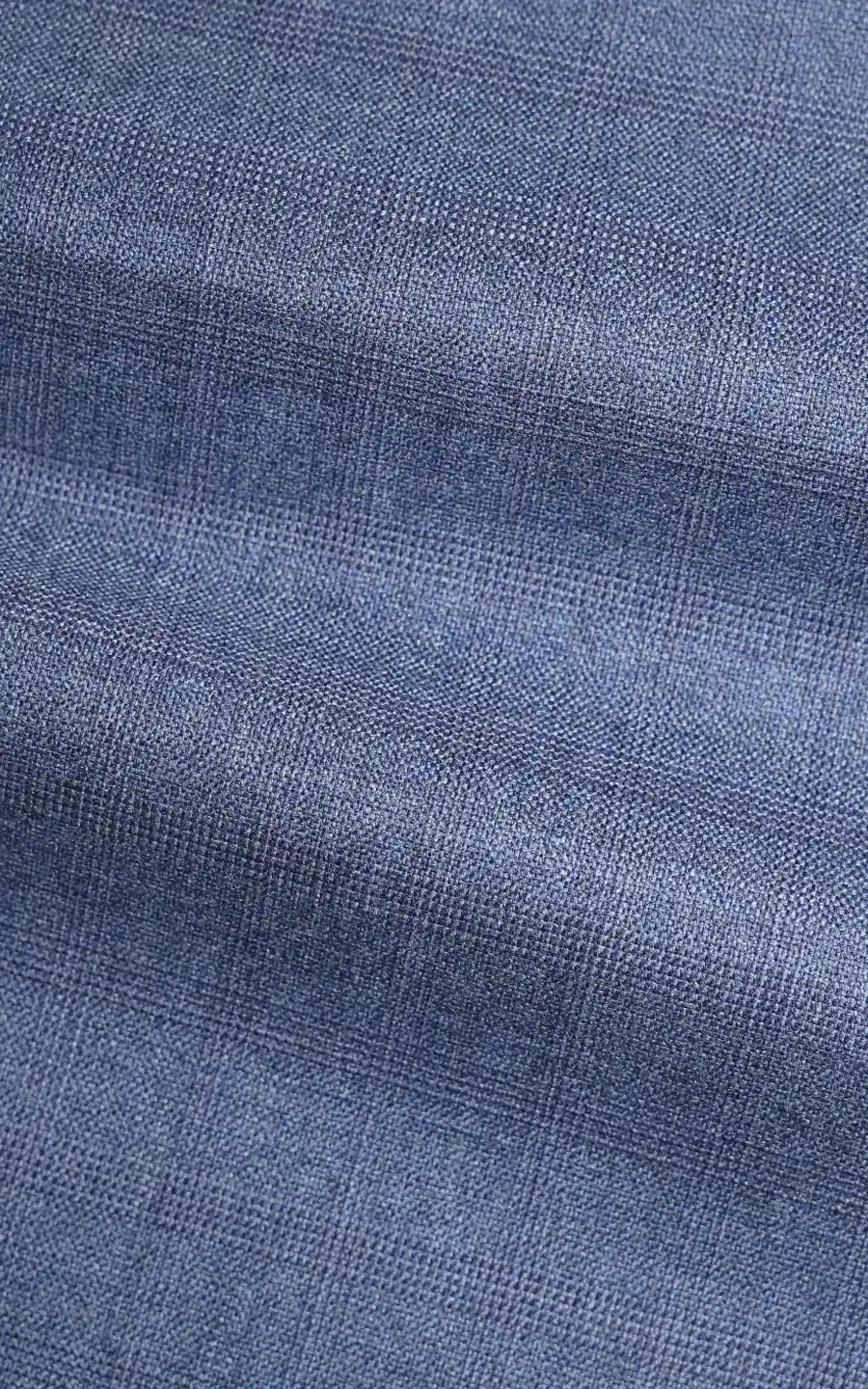
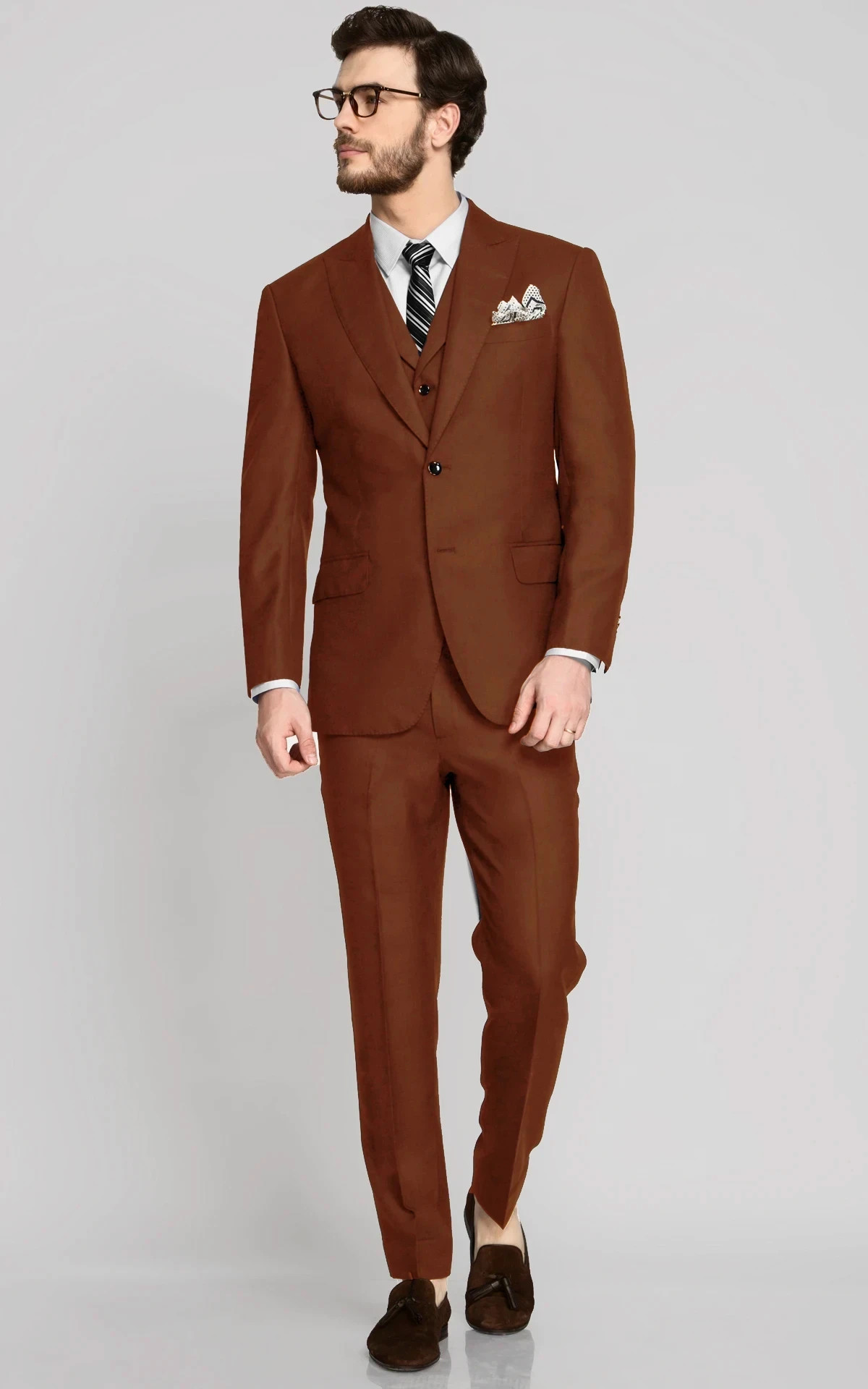
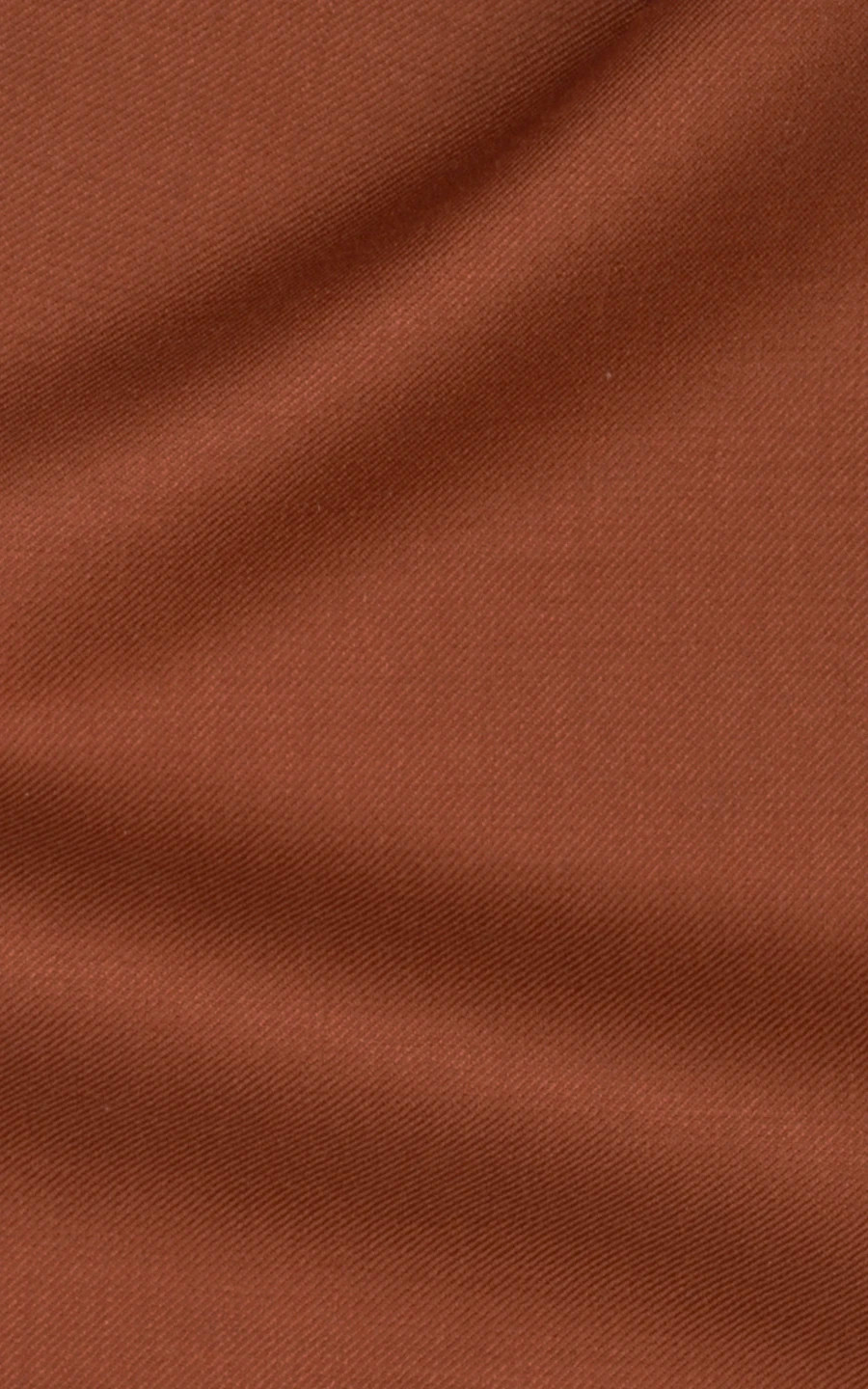
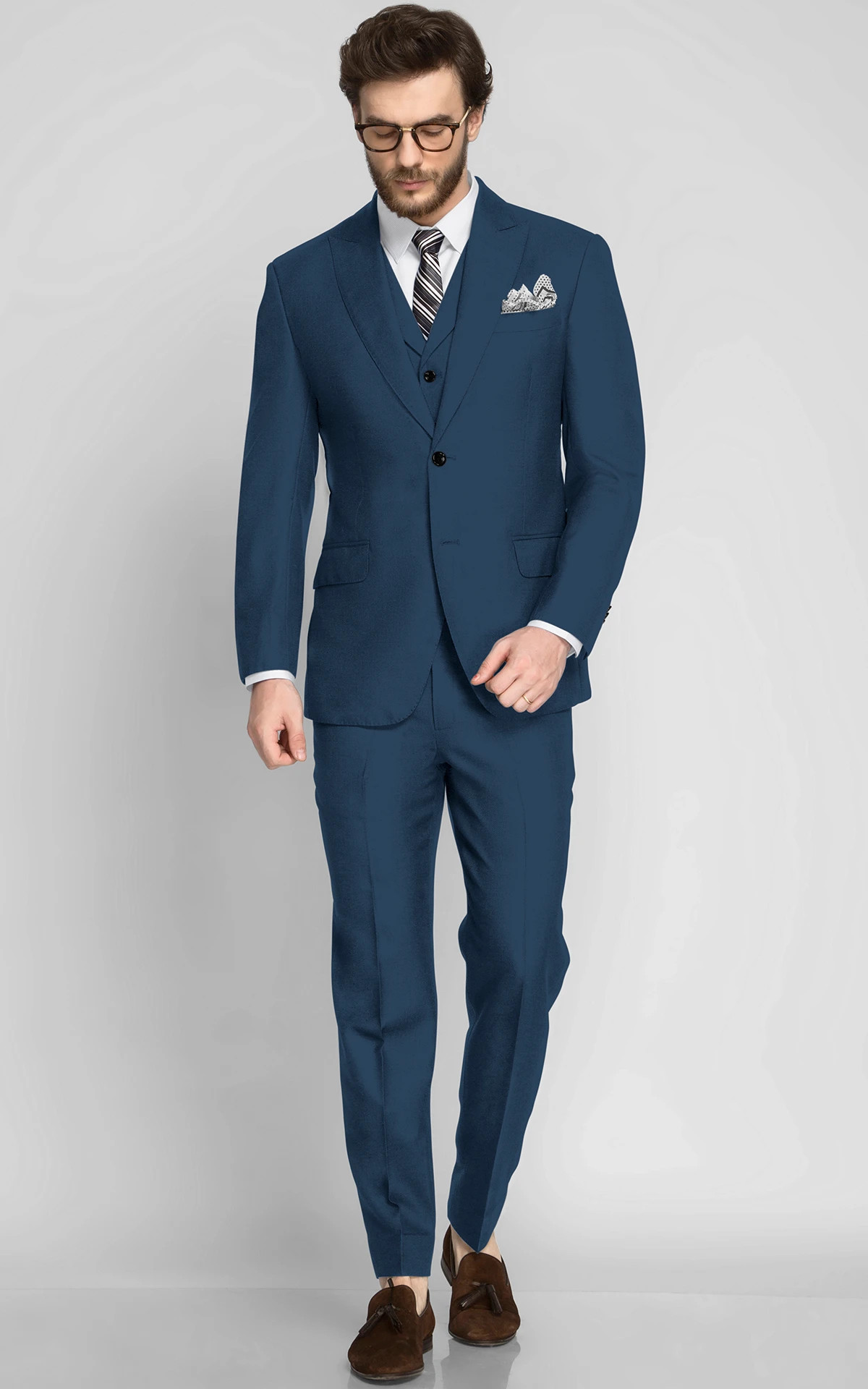
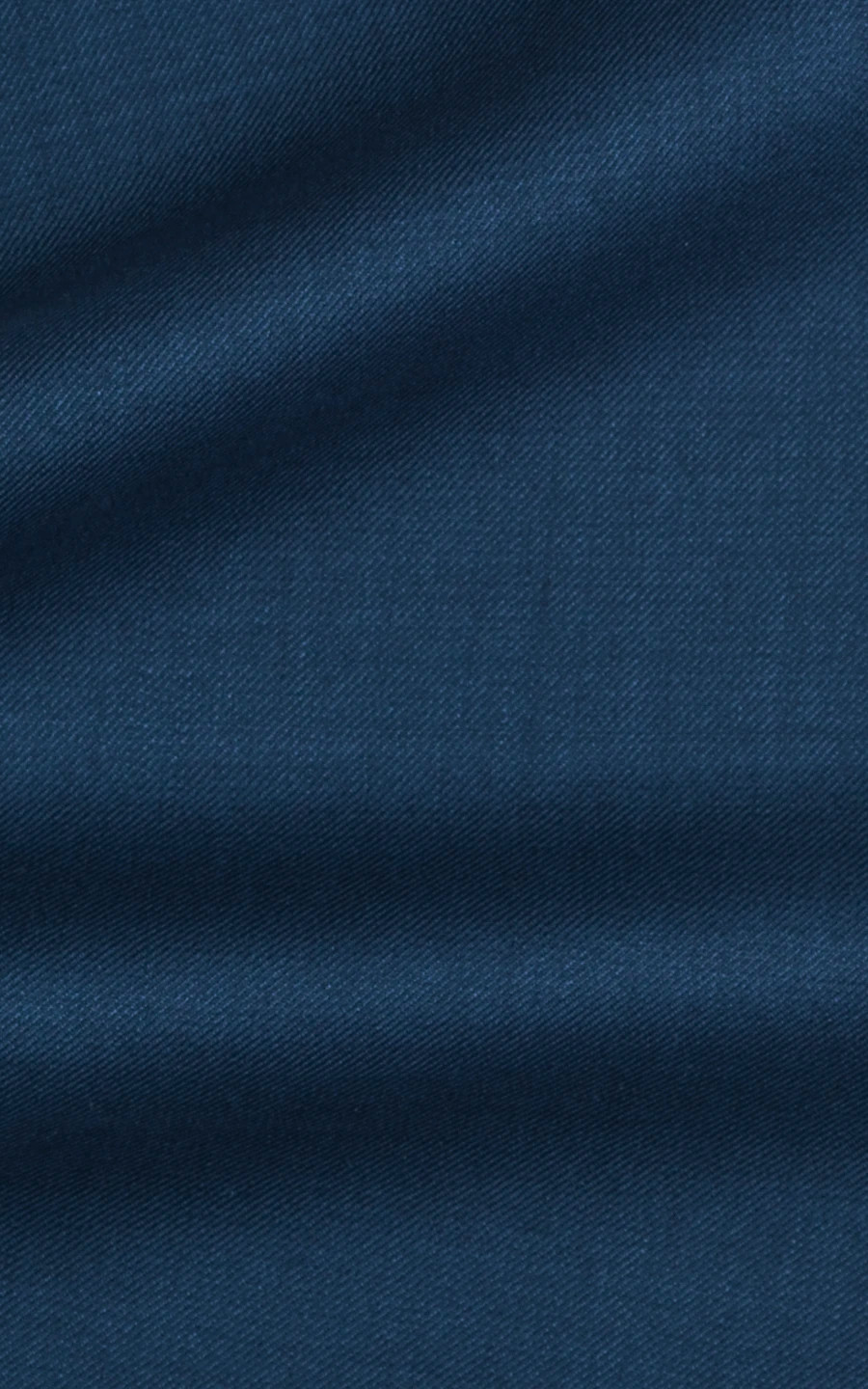
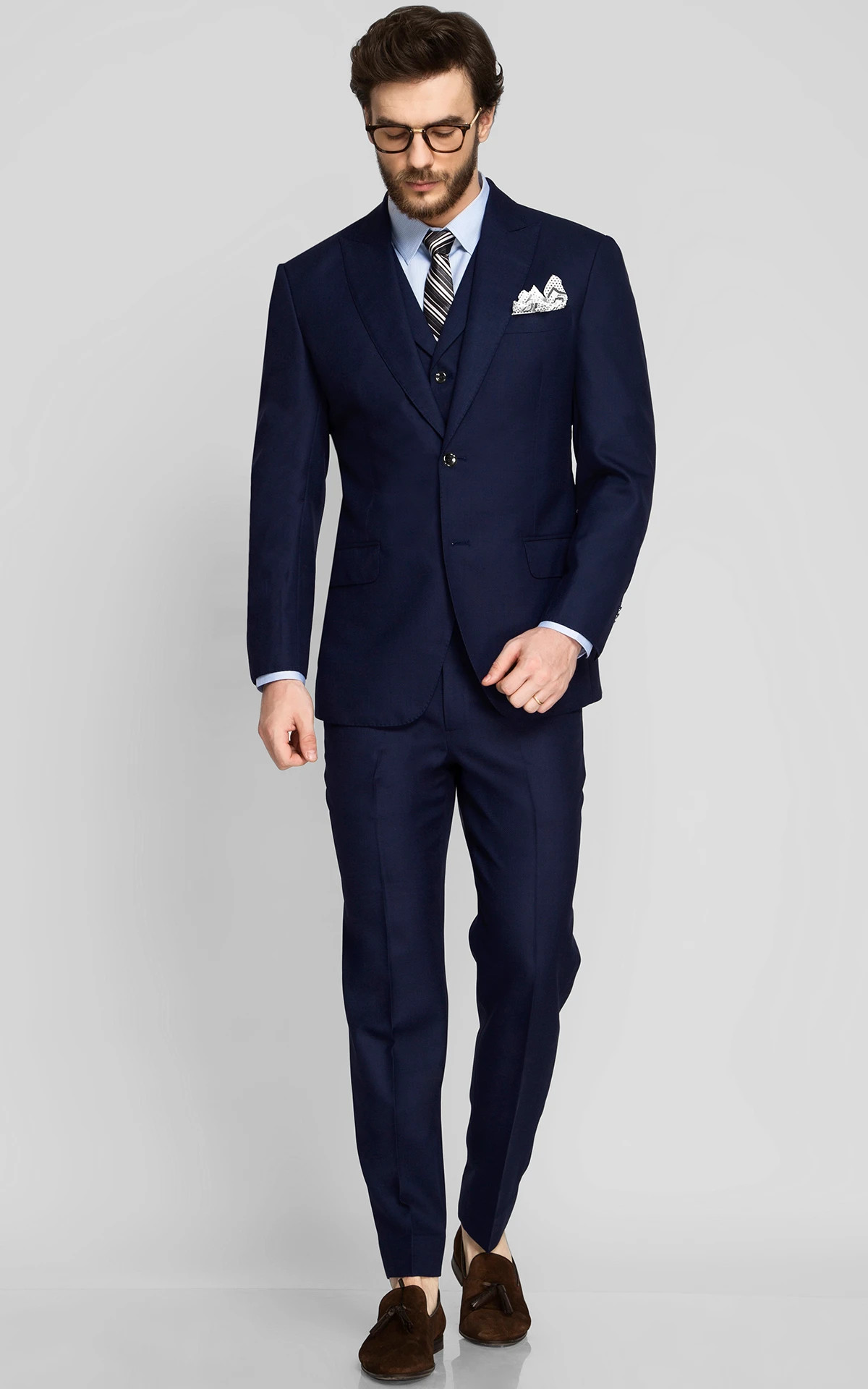
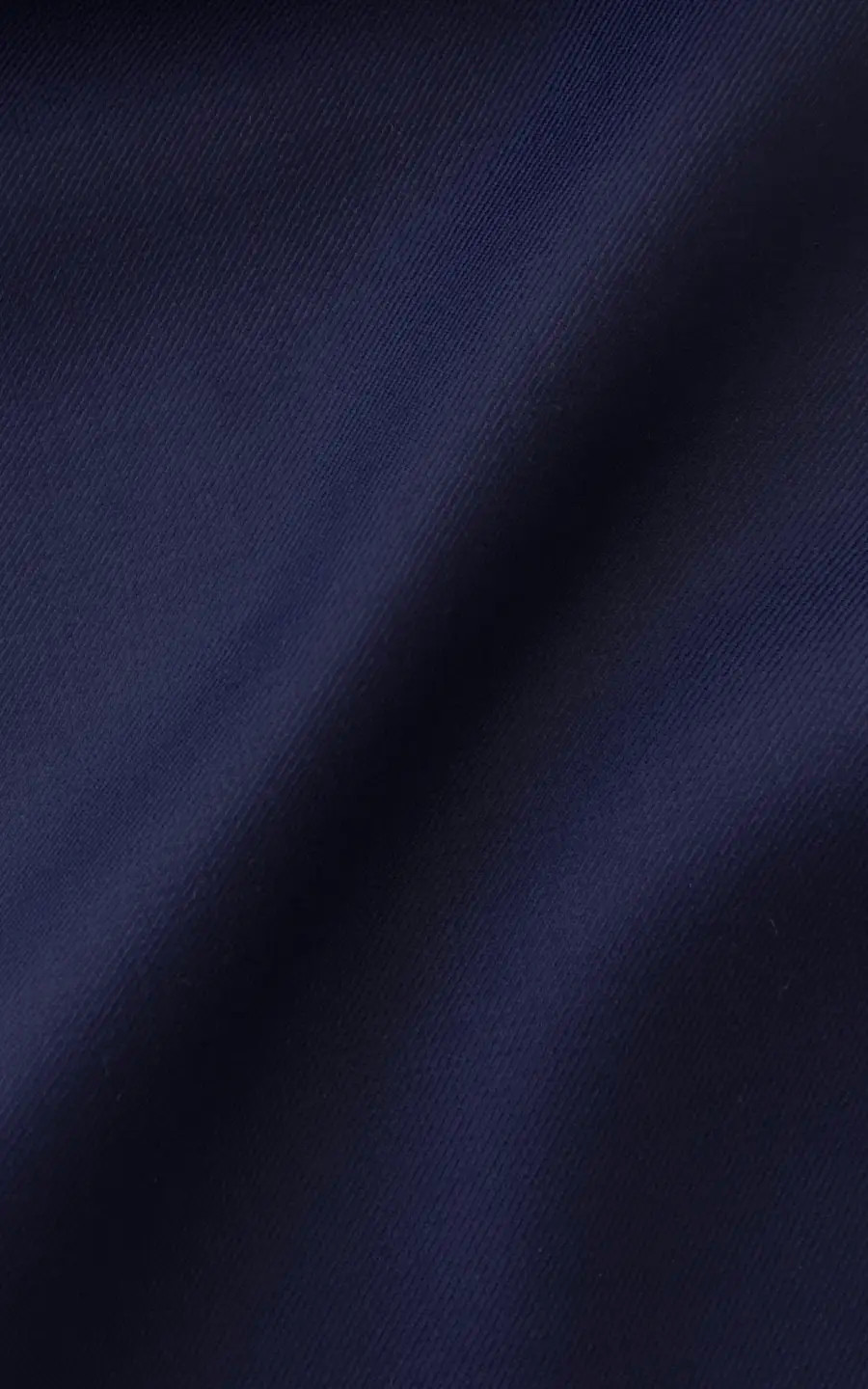
You can also browse Hangrr’s full custom suit collectionif you want more than the four-card starting point.
The common mistakes that make custom feel overpriced
A few patterns show up again and again:
- buying based on the opening price instead of the finished cost
- paying for flashy details before solving fit
- choosing the wrong fabric for climate and season
- mistaking “customizable” for truly personalized fit
- ignoring posture, shoulder slope, rise, or seat shape
- treating a first suit like a statement piece instead of a workhorse
- ordering late and forcing the whole process into panic mode
A better custom experience usually looks quieter than that. Cleaner. More intentional. Less distracted by gimmicks. More focused on what the suit is actually supposed to do.
That is also why Hangrr works best when it is not oversold. The intelligence is in the system: AI Fit, unique pattern generation, stylist review, half-canvas construction, factory-owned production, and a guarantee strong enough to remove a lot of the usual online-custom anxiety.
Final thoughts
The best custom suit is not the one with the most dramatic price tag. It is the one that solves the right problems.
It should fit with intention. It should feel breathable instead of punishing. It should look matte and camera-friendly, not overly shiny and vaguely rental-adjacent. It should hold its line through the day. And it should make sense financially not just when you buy it, but when you keep wearing it.
That is the real custom suit cost guide in the U.S. Not just what it costs to order. What it costs to live with.
Whenever you’re ready, compare Hangrr fit options, see how the fit guarantee works, or explore the full custom suits collection. Hangrr’s current suit platform highlights AI Fit, half-canvas construction, 500+ fabrics, and factory-direct pricing starting at $378.
FAQs