
Your current location
United States (USD)
Change your location by selecting one of the options below:
We ship to over 110+ countries.
If your country is not listed above, please click here
Michael B. Jordan’s Oscars Look Suit Guide: 8 Rules To Ace The Indian Bandhgala
Share:
When Michael B. Jordan stepped onto the Academy Awards red carpet to claim his Best Actor trophy for Sinners, he didn't just round off awards season—he completely rewrote the rules of modern black-tie. Eschewing the traditional peak lapel tuxedo, he opted for a custom black mandarin collar suit featuring polished onyx buttons and a striking double-chain detail at the waist.
It was a masterclass in architectural minimalism. The absence of traditional lapels forced the eye directly onto the immaculate structure of the shoulders and the chest. While this silhouette feels strikingly futuristic on a modern red carpet, it is deeply rooted in global menswear history. Officially known as the Indian Bandhgala or Jodhpuri suit, this garment is an absolute heirloom of royal architecture.
History: The Origins of Indian Bandhgala
To understand the gravity of the round collar suit, you have to look at its origins. Born in the princely state of Jodhpur, India, during the late 19th century, the garment was an engineering marvel of its time. It was intentionally designed to fuse structured British canvas construction with the aristocratic minimalism of traditional royal court garments.
By the 1960s, the silhouette exploded globally when cultural icons like The Beatles adopted it, cementing it as a symbol of anti-establishment luxury. Today, the Indian Bandhgala stands as the ultimate weapon for the modern man seeking an aesthetic that projects quiet power and extreme intentionality.
Because this garment leaves zero room for error, pulling it off requires exact mathematical precision and a profound understanding of garment construction.
Here are the 8 definitive rules to mastering the Indian Suit and executing the Michael B. Jordan Oscar look flawlessly.
Rule #1: The Collar Must Sit Flush
The defining feature of the mandarin collar suit is the clamp-down stand collar. Unlike a standard jacket where the lapel rolls open, this collar hugs the neck.
It is important to note that the collar must sit perfectly flush against your skin with no more than a single finger’s width of breathing room. If it gapes, it looks like a costume; if it chokes you, the neck gorge was drafted incorrectly. The collar should rise vertically 2 to 5 centimeters, curved exactly to the geometry of your neckline.
Rule #2: Choose the Right Color
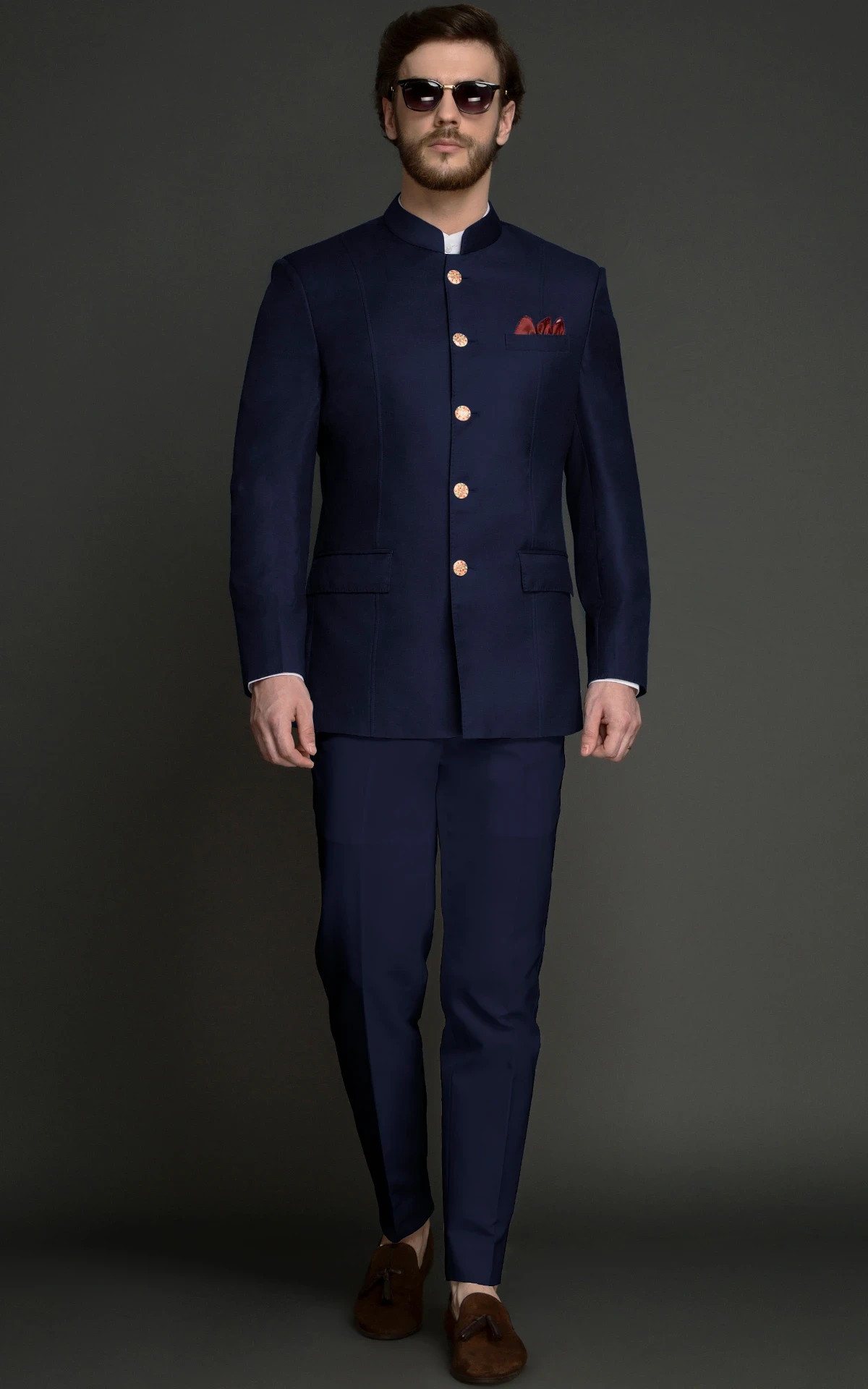
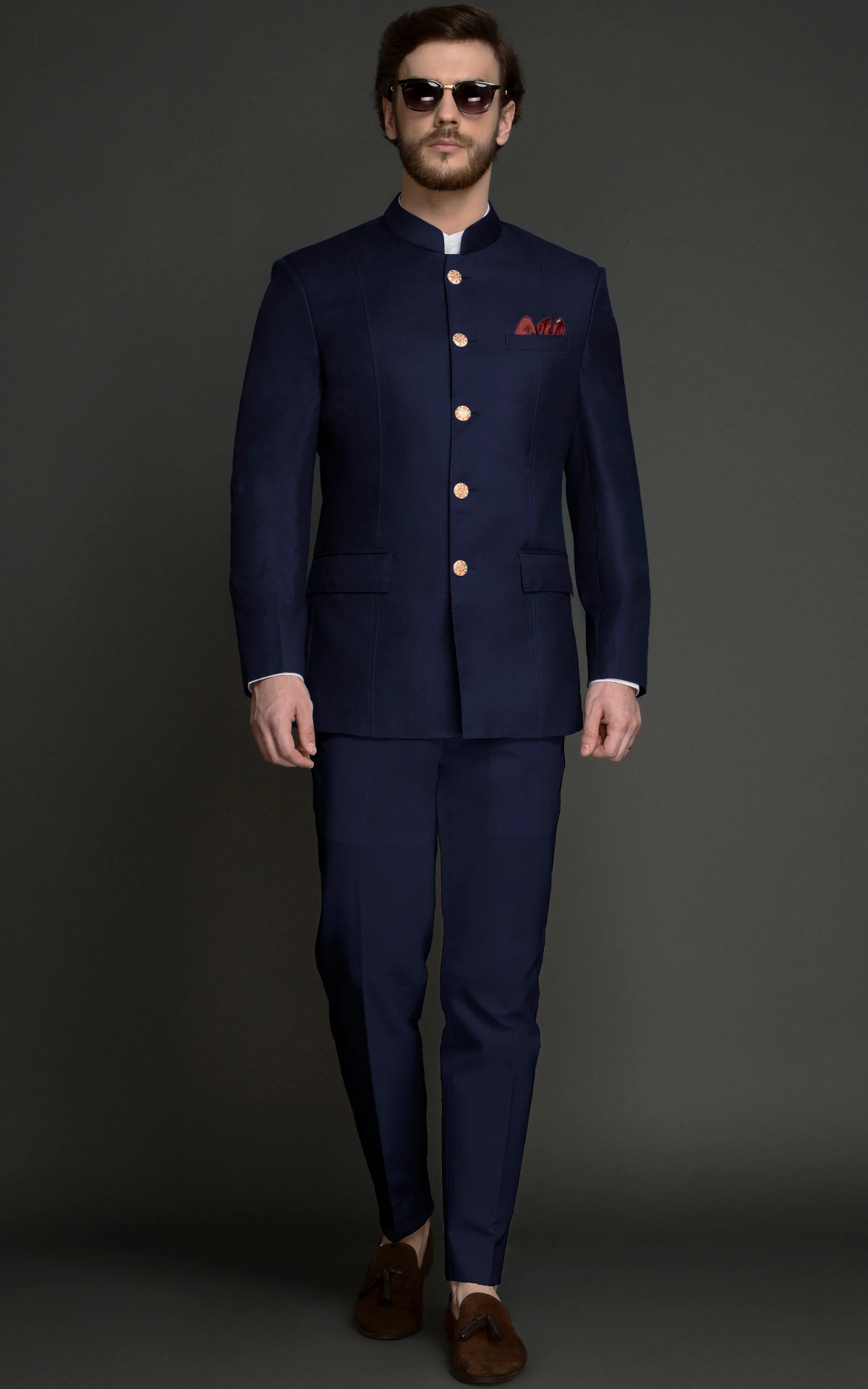
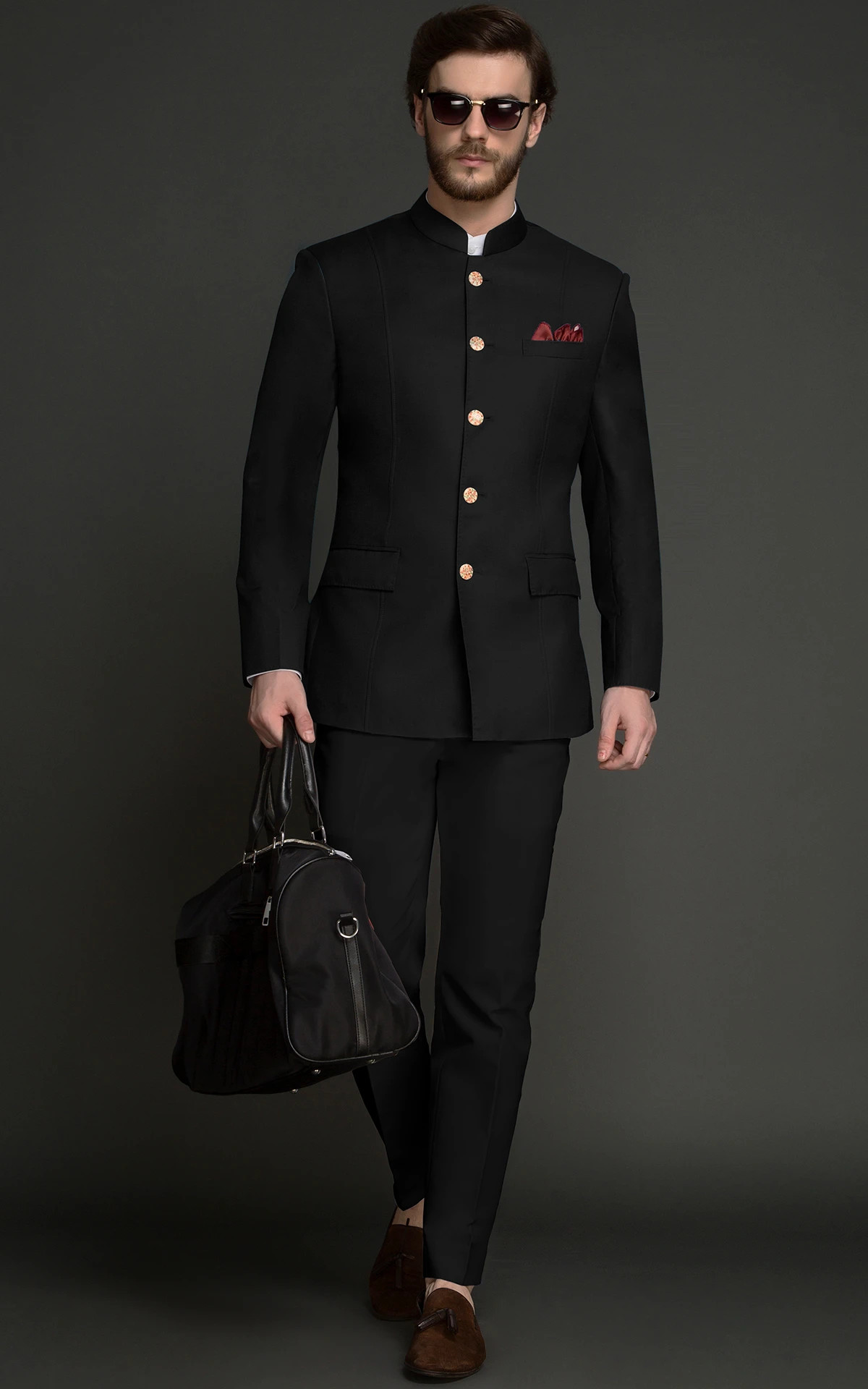
Part of why MBJ looked so untouchable was the stark, uninterrupted color palette. For high-stakes evening wear, go entirely tonal. A monochromatic black or midnight navy creates a vertical line that elongates the frame and projects uncompromised authority.
However, for daytime events or destination weddings, two-tone Jodhpuri suits are an exceptional choice. Pair a colored or textured jacket with crisp white or cream trousers to achieve a deeply regal, Old Money aesthetic.
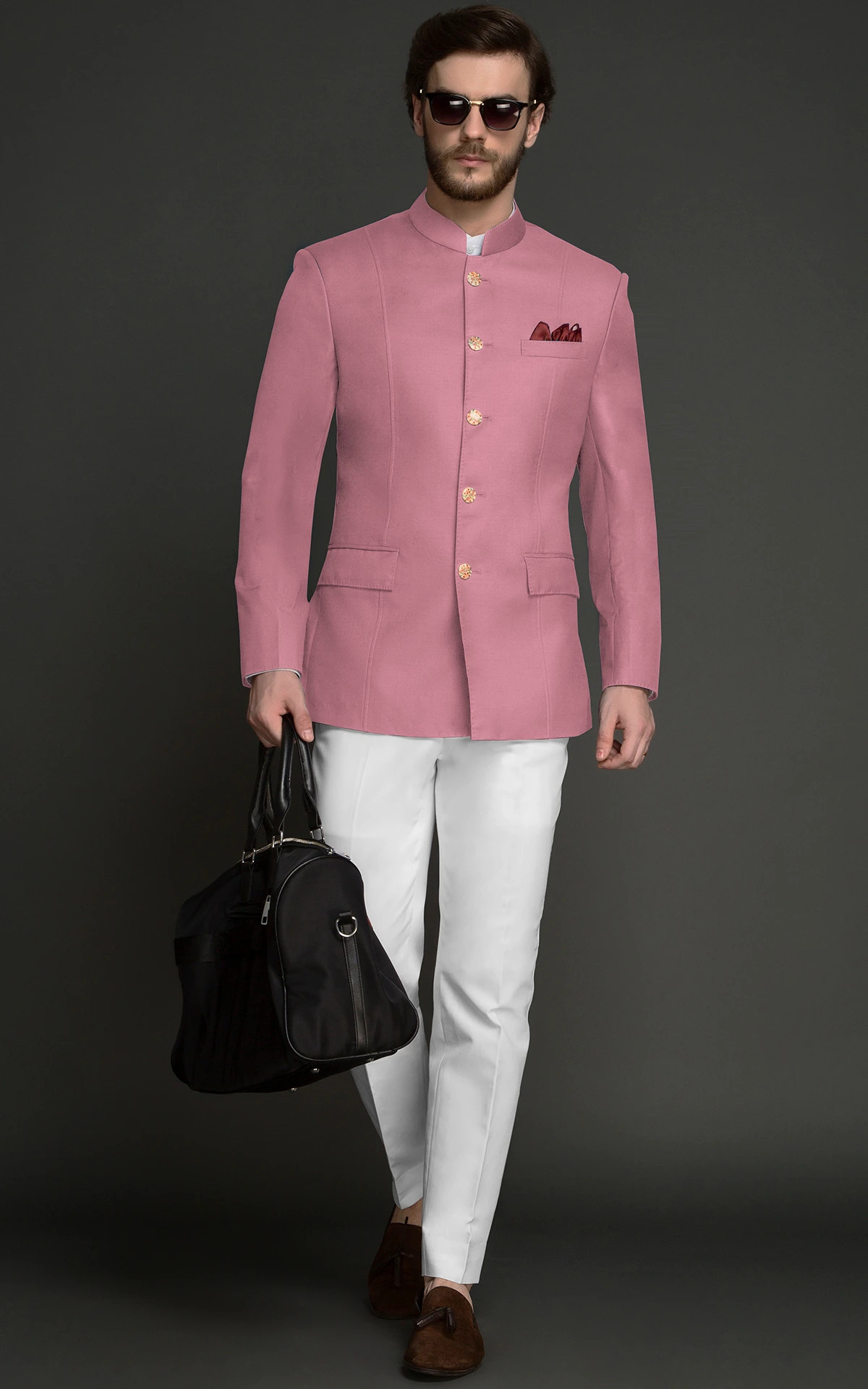
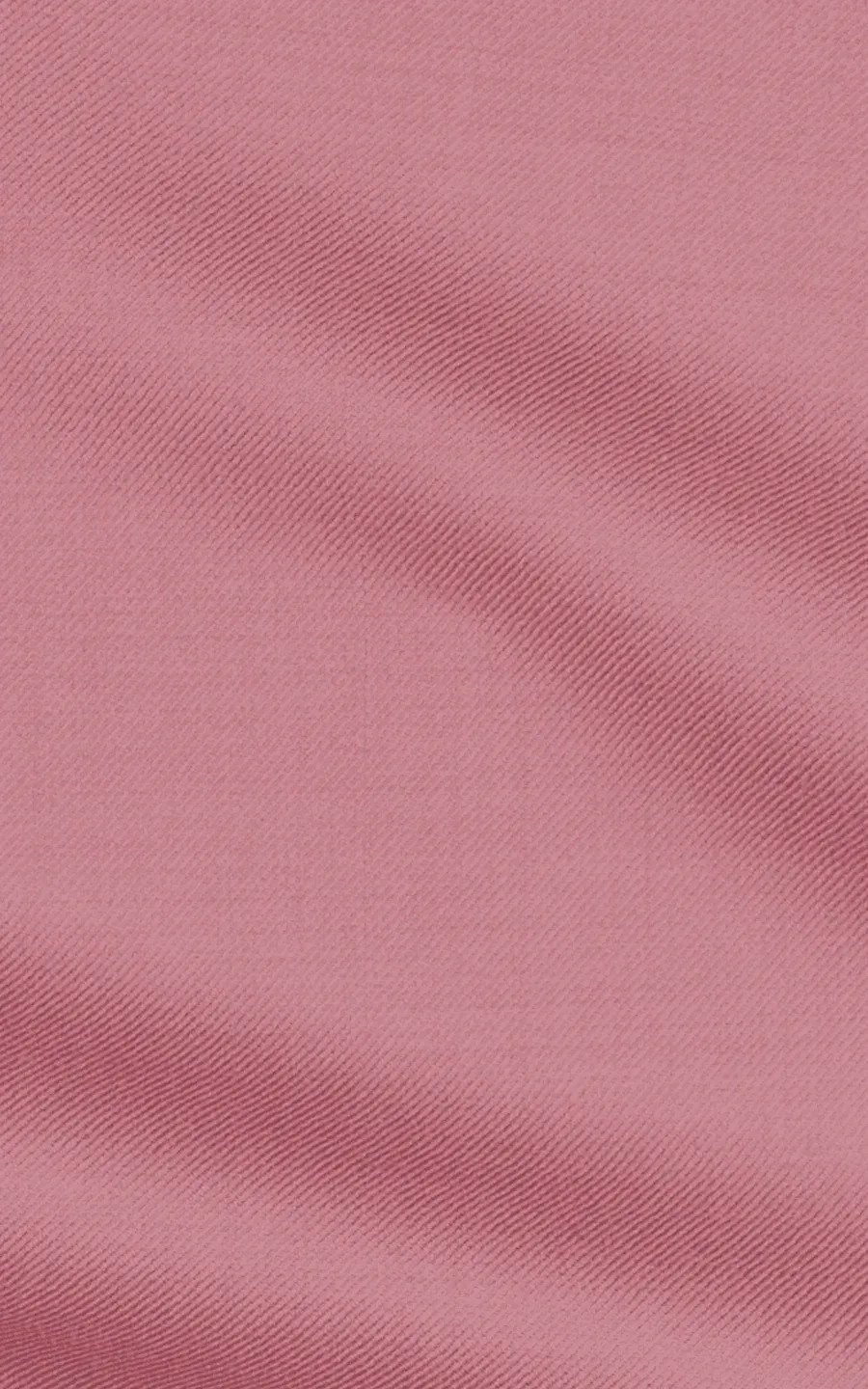
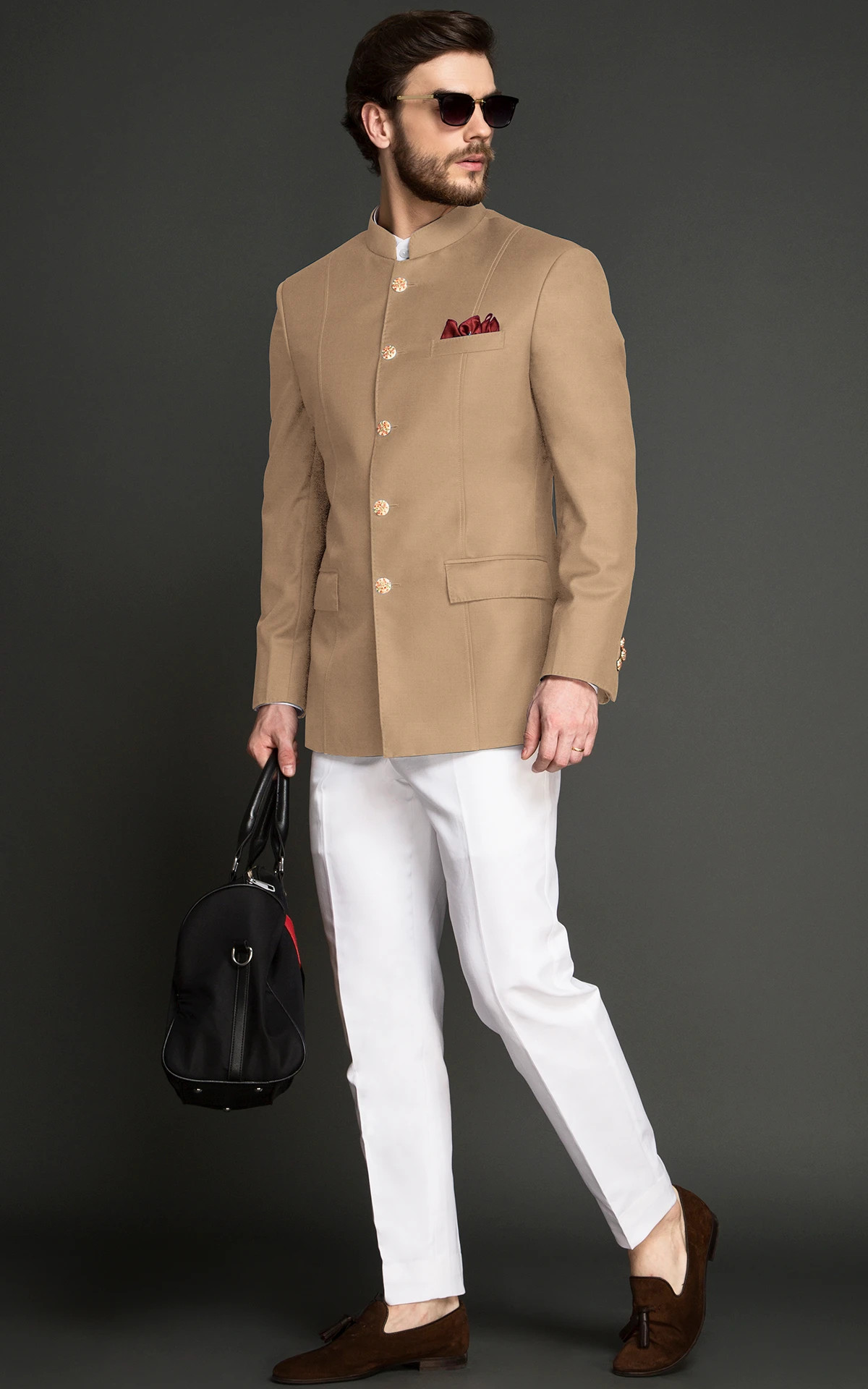


Design Your Custom Jodhpuri Suit - Explore 500+ colors. START HERE
Rule #3: Choose the Right Fabric (Structure is Everything)
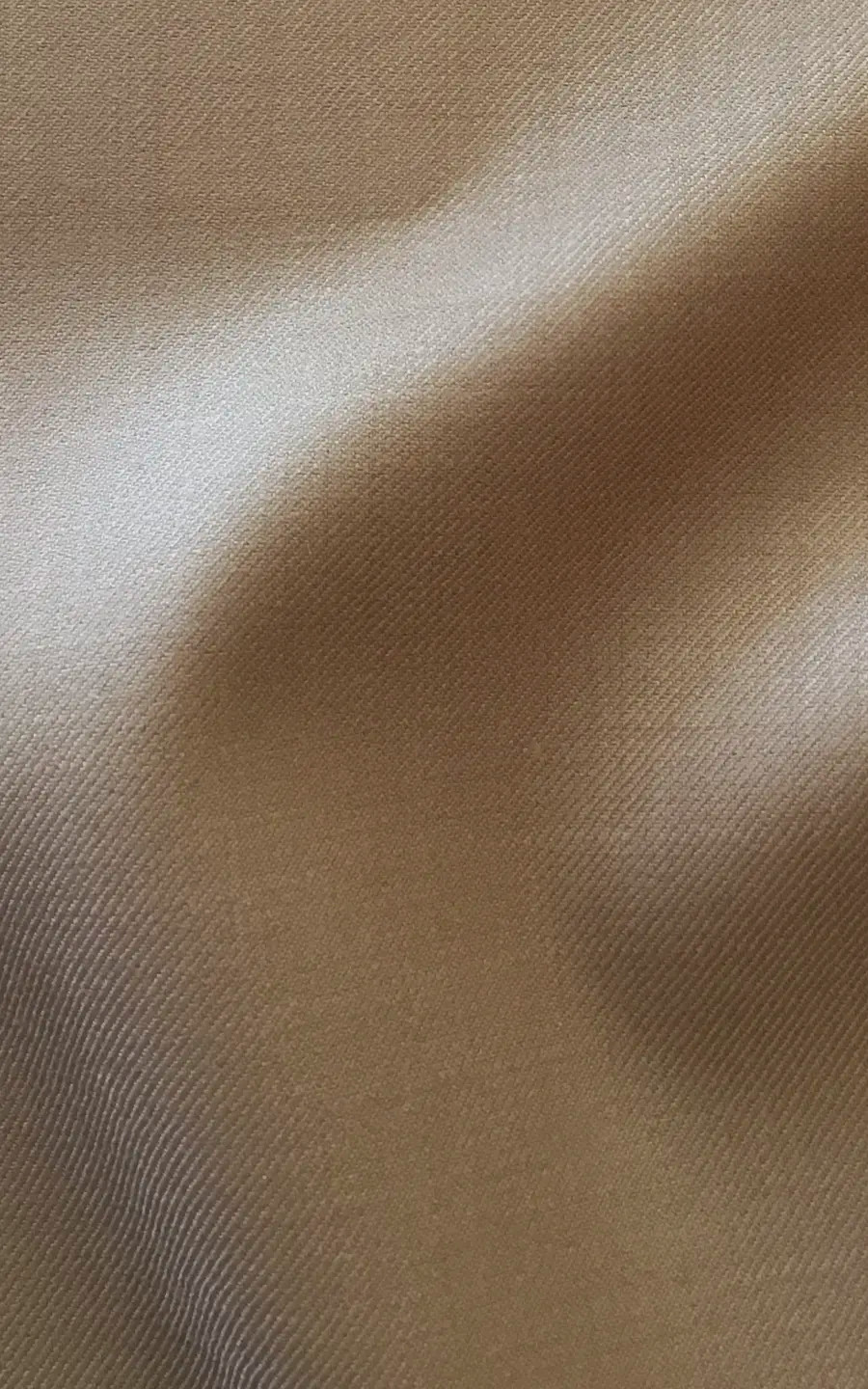
Without lapels to break up the chest, the fabric of your Indian Bandhgala is entirely exposed. You must stay away from extremely fine, lightweight wools; the Jodhpuri relies on strict architecture, and a very fine wool will simply collapse and fail to retain its shape.
Stick to heavyweight, premium matte wools, robust twills, or heavy-drape velvet for winter weddings. Avoid loud patterns and lean into solids or subtle, woven textures like a micro-herringbone to maintain the armor-like silhouette.



Rule #4: Ditch the Standard Dress Shirt
A fatal error when wearing an Indian suit is attempting to pair it with a standard, point-collar dress shirt. The stiff collar points will inevitably poke out or bunch awkwardly beneath the jacket's neckline.
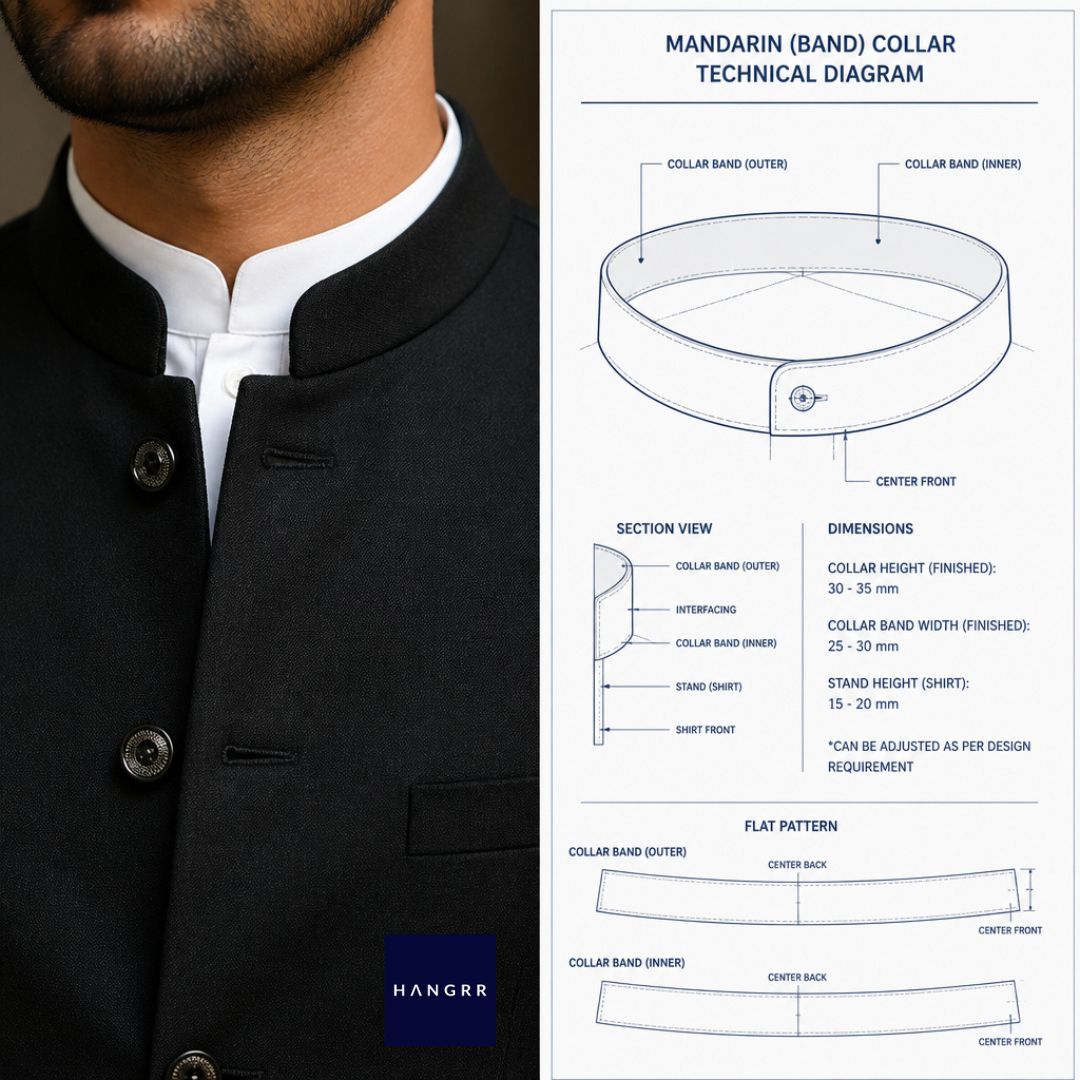
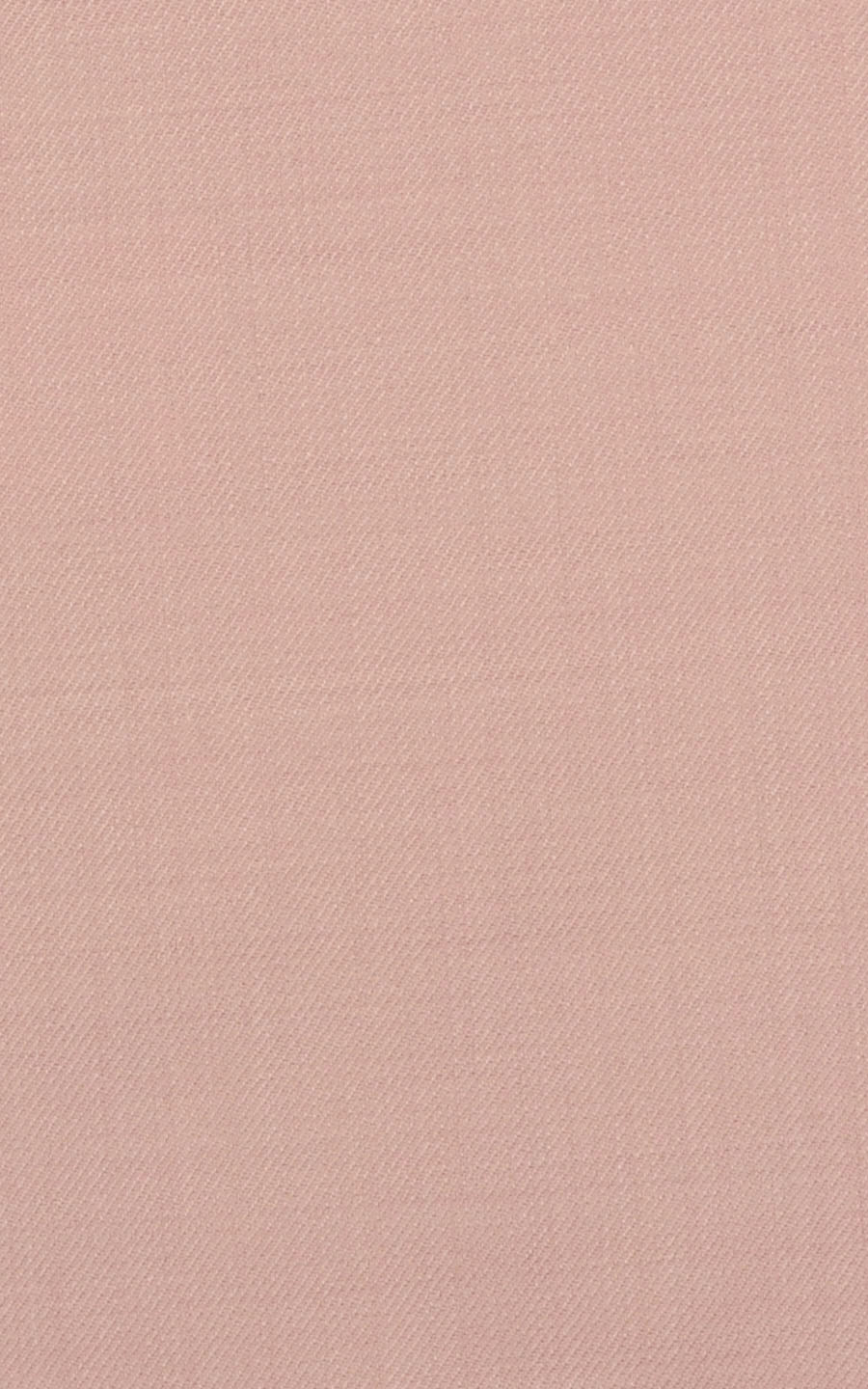
You must wear a round-collar (Mandarin) shirt underneath. Stick to classic shirting colors: crisp white, light blue, or soft pink.
Crucially, your shirt must be custom-made to ensure the collar rise matches the exact height of your Jodhpuri collar, allowing it to sit invisibly beneath the jacket.
Rule #5: Demand a Half-Canvas Core & A Barchetta Pocket
If the internal construction relies on cheap, fused glues, the chest will look stiff, boxy, and lifeless. Insist on a premium half-canvas interior so the chest physically molds to your torso over time.
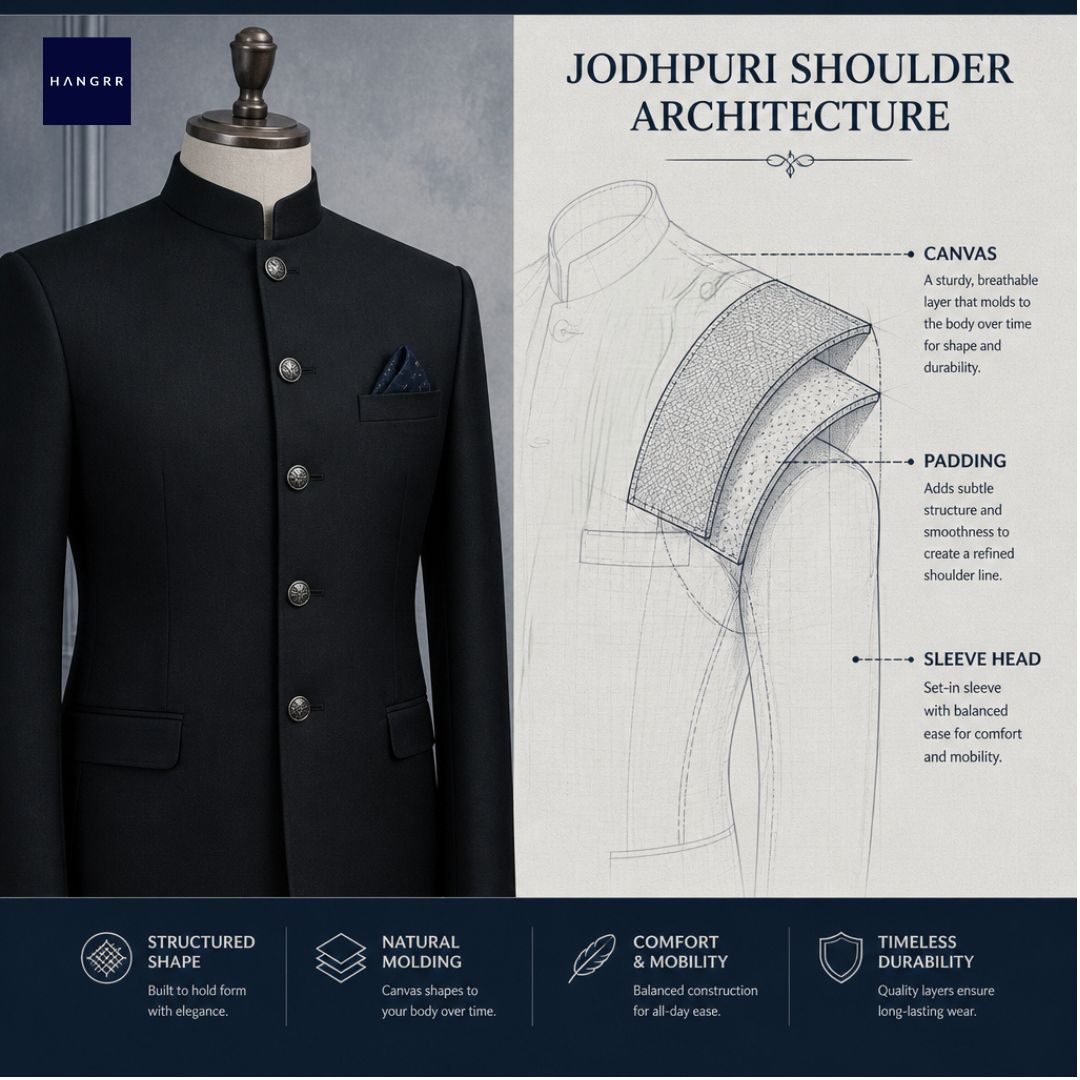
Look for meticulous hand stitches on the inside of the suit for flexibility. On the exterior, request a barchetta (little boat) breast pocket—a subtly curved welt pocket that adds a touch of elevated, artisanal elegance to the rigid geometry of the chest. Off-the-rack options rarely offer these structural details.
Rule #6: Master the Armhole and Shoulder Expression
Because the eye isn't drawn down by a V-shaped lapel, the shoulder line becomes the absolute anchor of the garment. The shoulder must be accurately engineered to your exact slope. You want a crisp, natural expression that projects power without bulky, outdated padding.
Equally important is a high armhole (scye); a higher cut allows for maximum range of motion without pulling the body of the jacket, maintaining the sleek aesthetic when you move.
Rule #7: Exercise Ornamental Restraint
The mandarin collar suit naturally invites ornamental elevation, but the line between high-fashion and costume is thin. MBJ mastered this by using polished onyx buttons and a delicate double-chain detail.
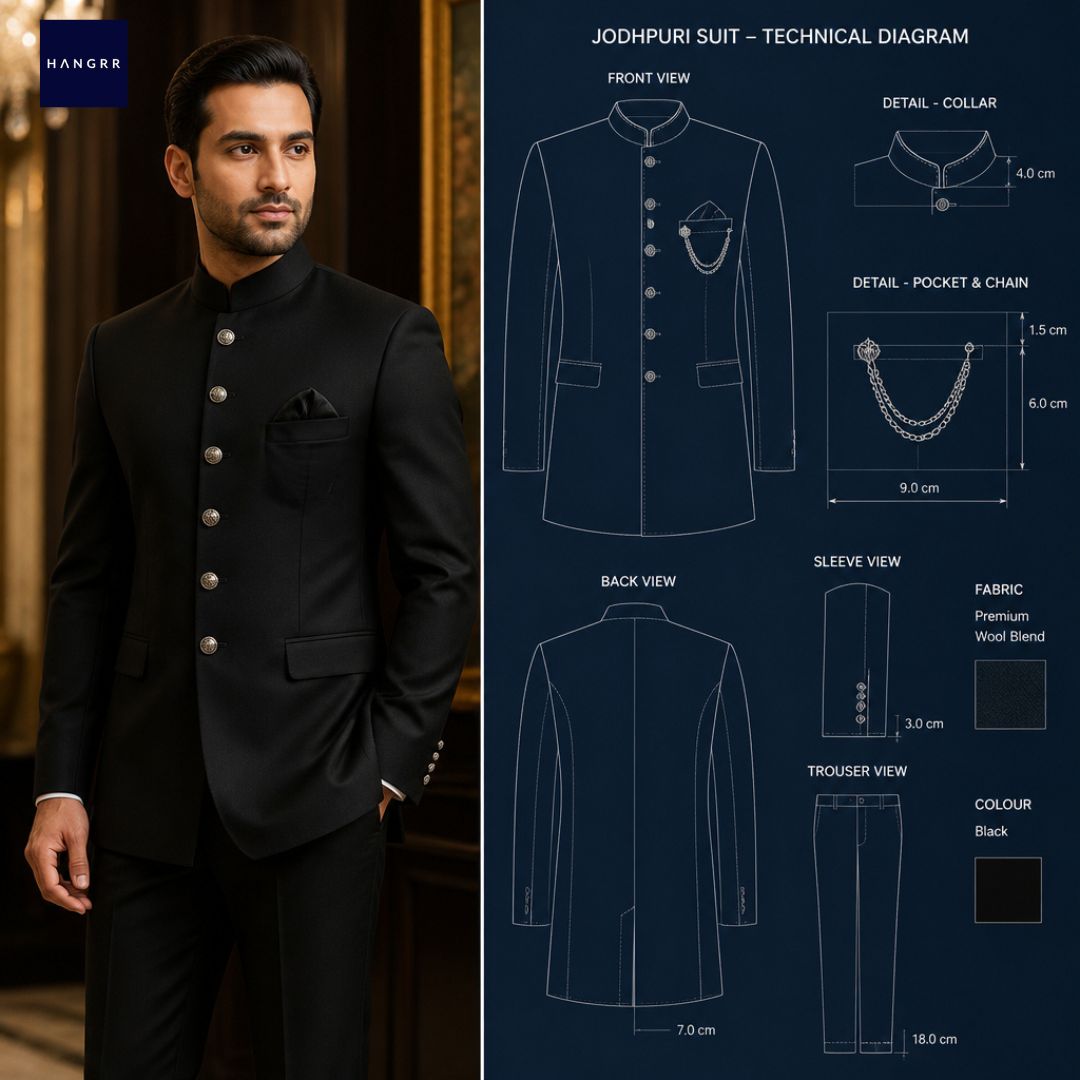
Keep accessories simple. Limit yourself to one or two subtle hardware details. Hand-painted ornamental buttons sourced from artisans add a tactile richness without overpowering the stark minimalism of the cut.
Rule #8: Custom Build Your Suit
The MBJ suit aesthetic is the ultimate test of a garment's fit. A proper Bandhgala requires specialized curved oriental darts to pull the fabric seamlessly along the natural lines of your body, creating an athletic, suppressed waist. Standard off-the-rack sizing simply cannot accommodate these nuanced variations.
Customise your Indian Bandhgala. At Hangrr, we follow a tech-first approach to fashion. We are pioneering custom fits using innovative AI technology. By utilizing our proprietary LENNA AI, we generate a unique pattern mapped exclusively to your exact measurements, ensuring an inclusive, mathematically perfected drape with zero stock waste.
Frequently Asked Questions (FAQs)