
Custom Tuxedo Cost Guide: $500 To $2,000 Value Breakdown
Share:
Introduction
How much should a custom tuxedo actually cost?
$500? $1,000? $2,000? More?
And more importantly: when you pay more, are you getting a better tuxedo — or just a longer chain of showrooms, salespeople, markups, and fittings dressed up as luxury?
A custom tuxedo used to be simple to understand. Cheap meant compromise. Expensive meant quality. Spend less, get stiff construction and shiny cloth. Spend more, get better fabric, cleaner drape, and a jacket that felt like it was built for a human body, not a warehouse rack.
That logic no longer holds.
Today, one “custom tuxedo” may cost around $500. Another may cost $2,000. Bespoke can climb far beyond that. From the outside, they may all look similar: black cloth, satin lapels, covered buttons, black-tie confidence.
The real difference is hidden.
In the canvas. In the cloth. In the pattern. In the way your body is measured. And increasingly, in how much of the price goes into the tuxedo — versus the store rent, inventory, sales commissions, and markups around it - that last part matters more than ever.
In an inflation-driven world, value buying is not being cheap - it is being awake!
Nobody wants to pay $1,500 for a tuxedo and later discover that half the price went into showroom rent, retail markup, inventory risk, and alterations that should not have been needed in the first place.
Hangrr: The New Math of Custom Tuxedos
Hangrr was built around a simple question:
In a world where technology has made almost everything more efficient, why are people still paying for the inefficiencies of old-school formalwear?
For decades, the answer was: because that was the system. Showrooms. Sales commissions. Inventory risk. Distributor margins. Manual fittings. Alterations after the fact. Some of that cost improved the tux. A lot of it just protected the old way of selling one.
Hangrr challenged that math directly.
AI-calibrated fit replaces retail-floor guesswork. Made-to-order production removes wasteful inventory. Factory-owned manufacturing cuts out the layers that sit between maker and customer. The result is not a “cheap tuxedo.” It is a smarter route to the same kind of value: custom tuxedos starting around $500, built to compete with traditional tuxedos often priced at $1,000–$2,000.
That is the breakthrough.
Not a discount trick.
Not luxury theatre.
Just the old cost stack taken apart — and rebuilt around the person wearing the tuxedo.
This guide breaks down what actually drives custom tuxedo cost: construction, cloth, fit technology, and distribution. By the end, you’ll know when a lower-priced tuxedo is genuinely smart, when a higher-priced tuxedo is justified, and when you are simply paying for the room it was sold in.
Bestselling Custom tuxedos by Hangrr
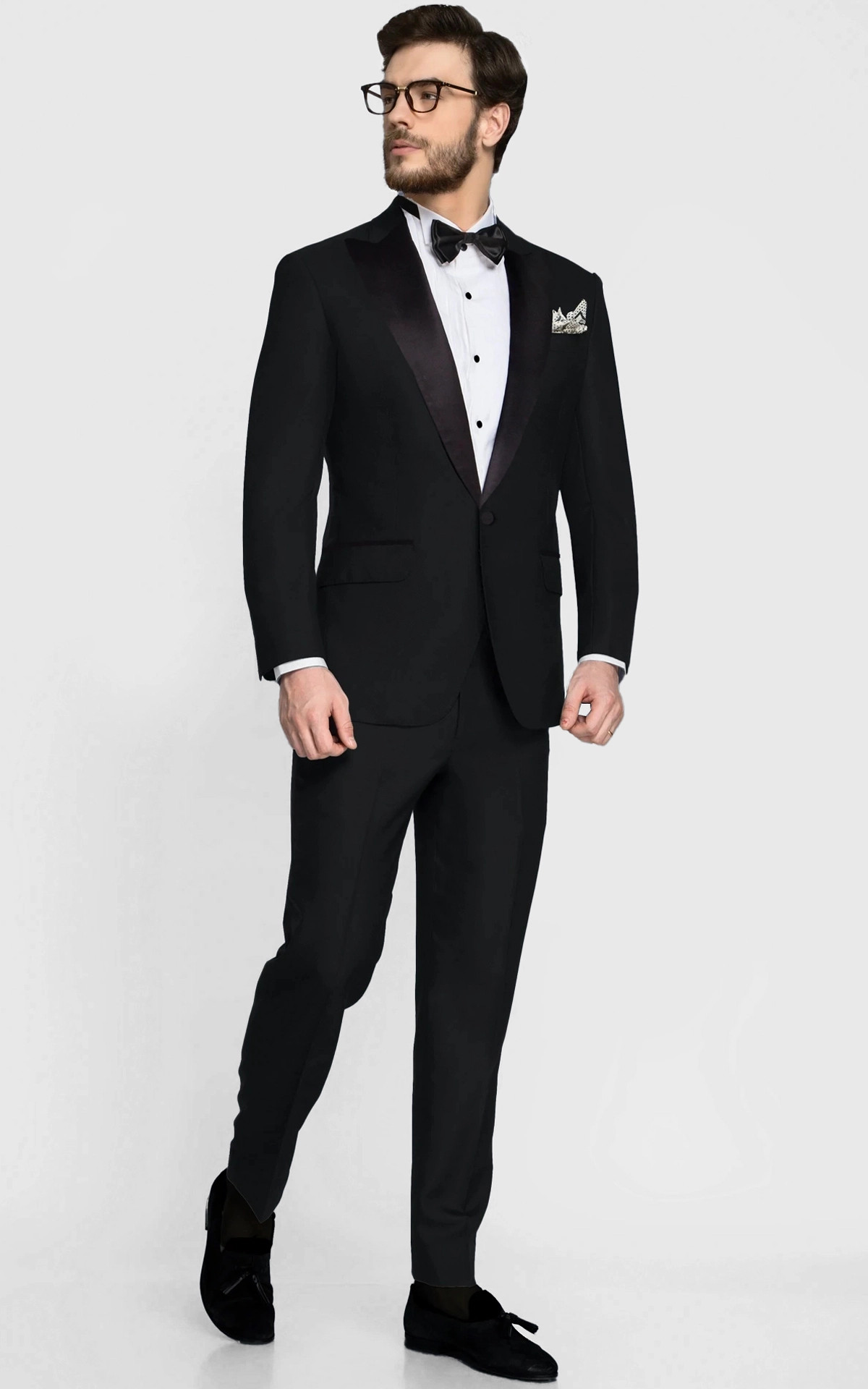
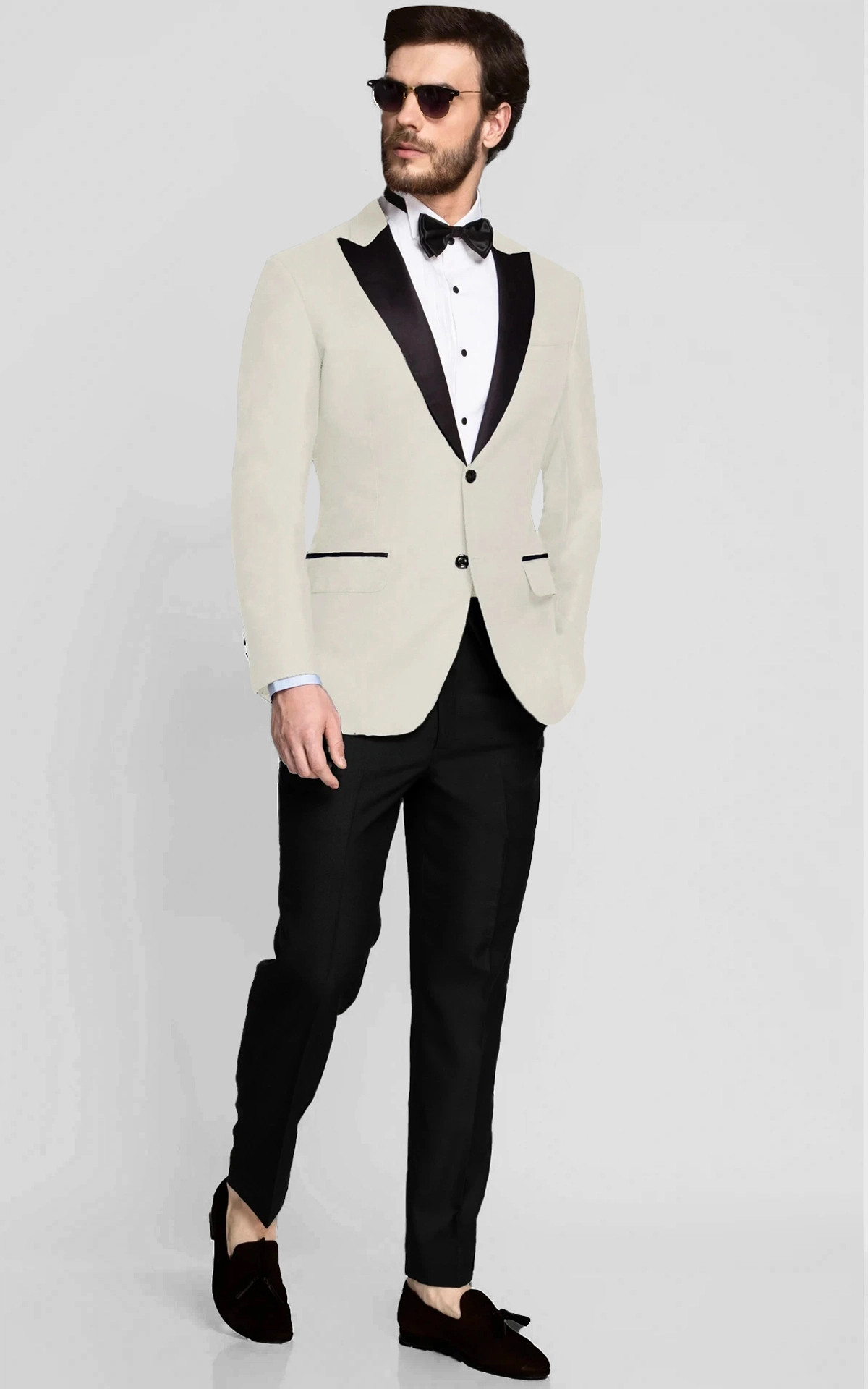
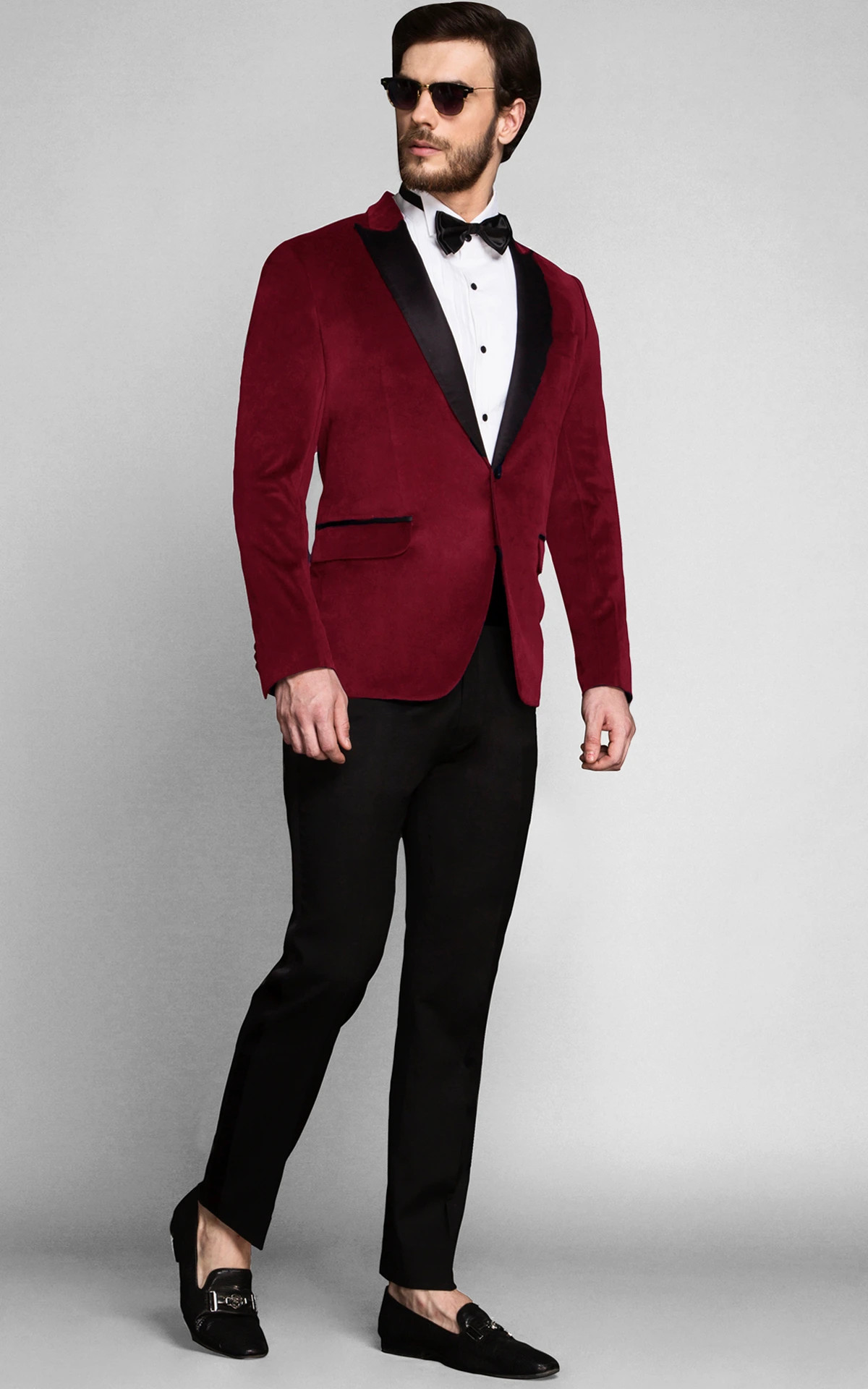
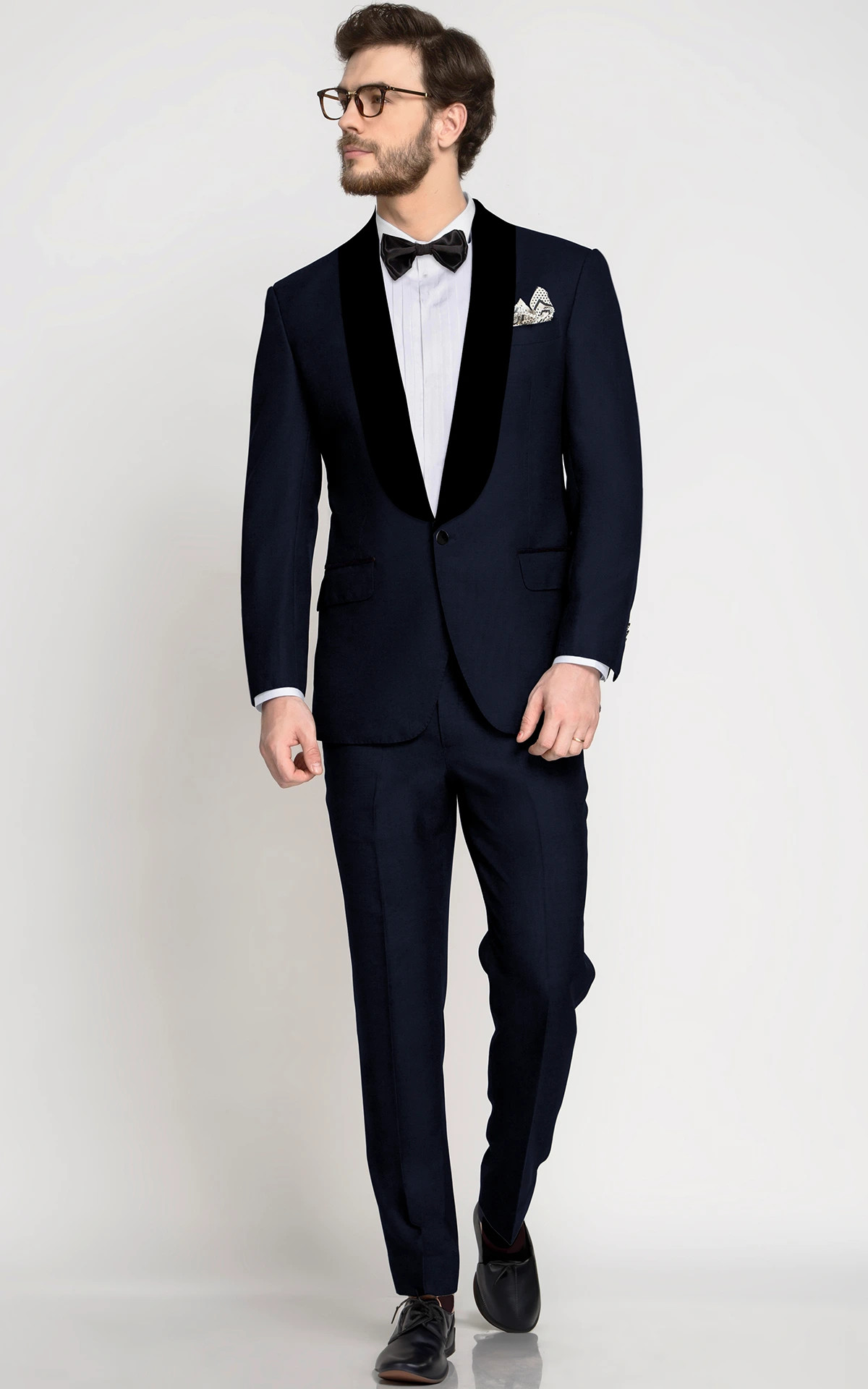
So, What Should a Custom Tuxedo Cost?
A custom tuxedo should usually fall into one of four price zones: entry custom, serious made-to-measure, premium custom, and bespoke. The confusing part is that price alone does not tell you which one you are getting.
A $500 tuxedo can be smart value if the construction, cloth, and fit system are strong. A $2,000 tuxedo can be justified if it uses superior fabric, fuller construction, and skilled handwork. But a $2,000 tuxedo can also be inflated by showroom rent, inventory risk, and retail markup.
That is why the better question is not just: “How much does it cost?”
It is: “How much of the price is actually going into the tuxedo?”
Here is the basic map.
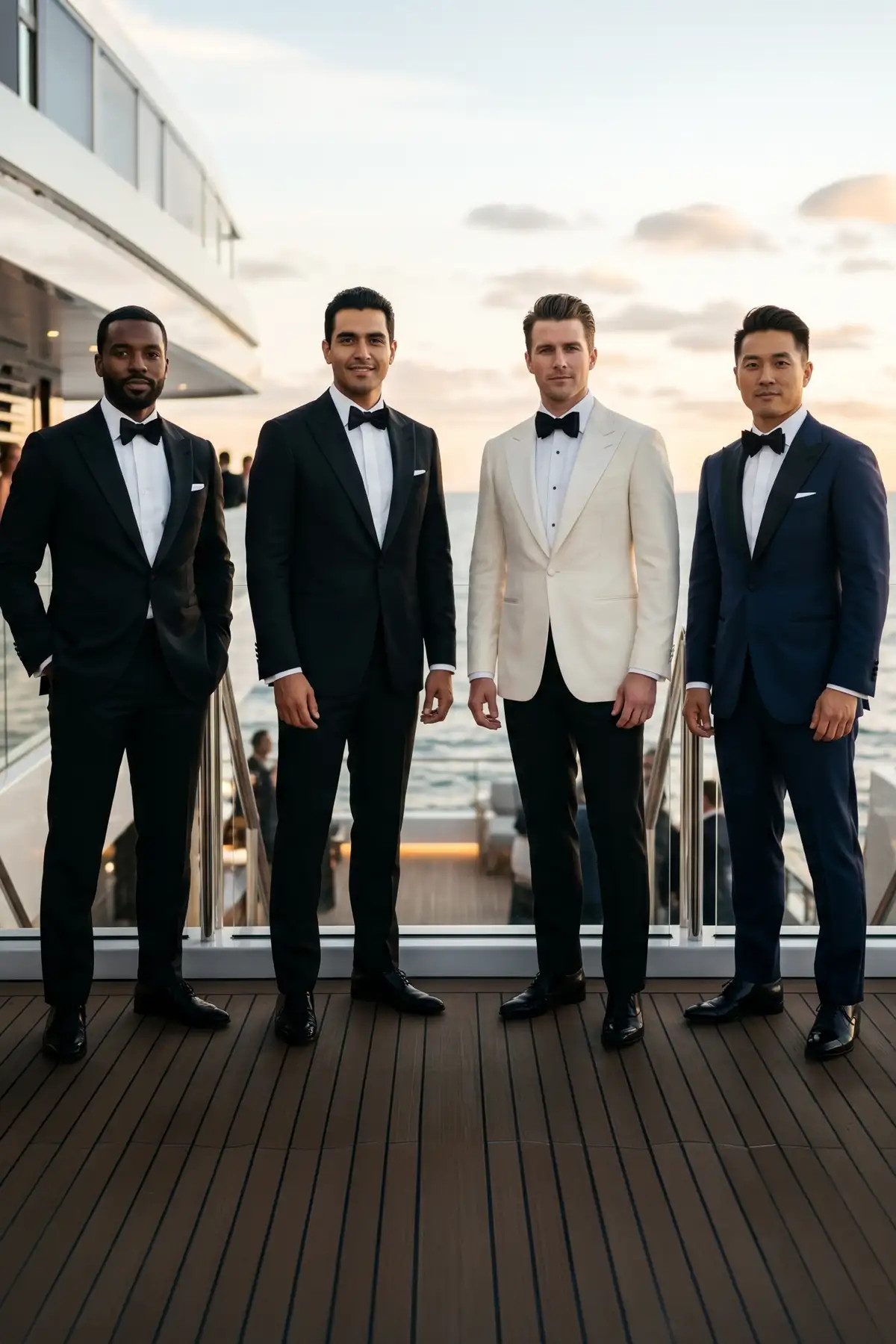
Best value Wool Tuxedos
Products in this look
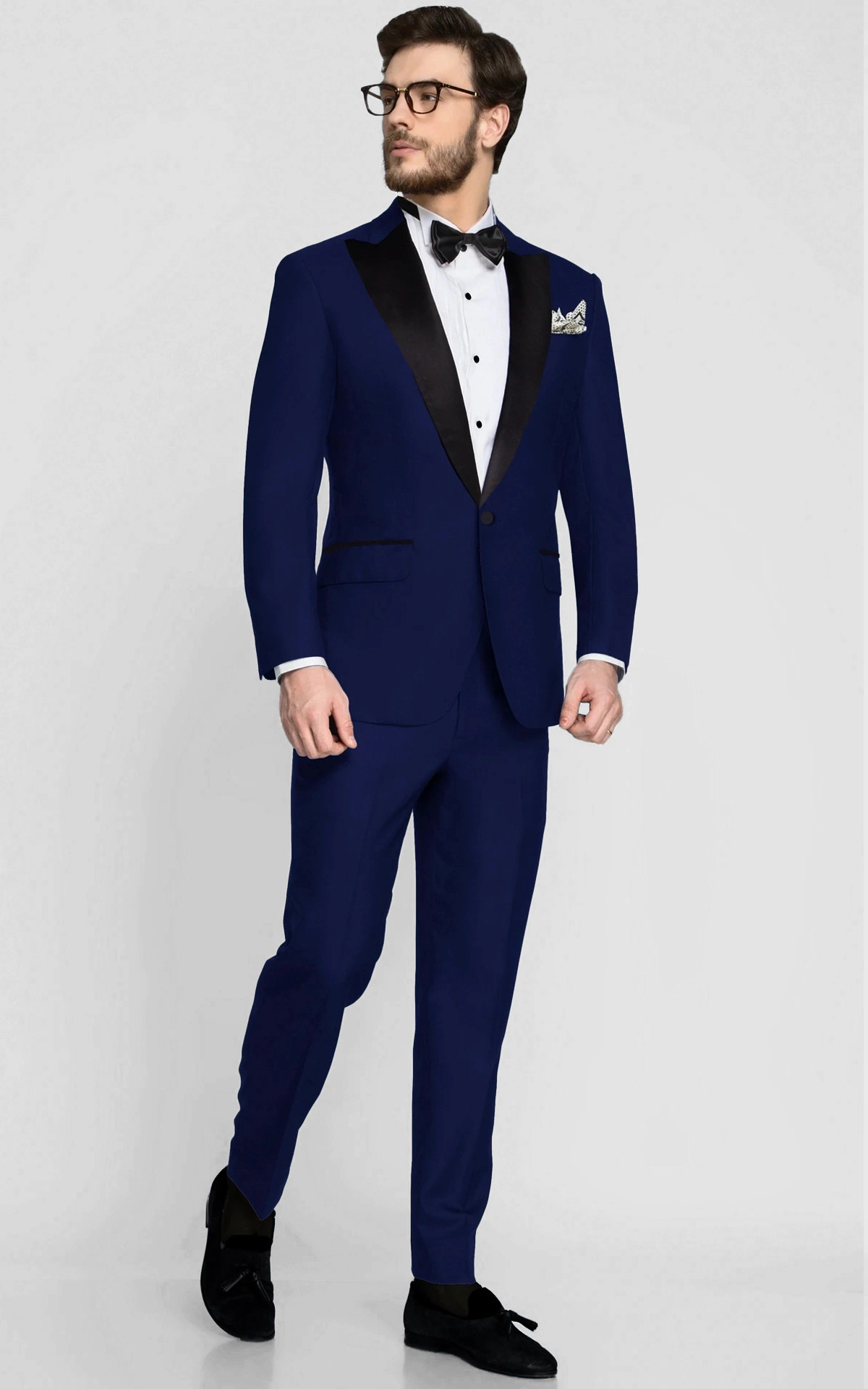
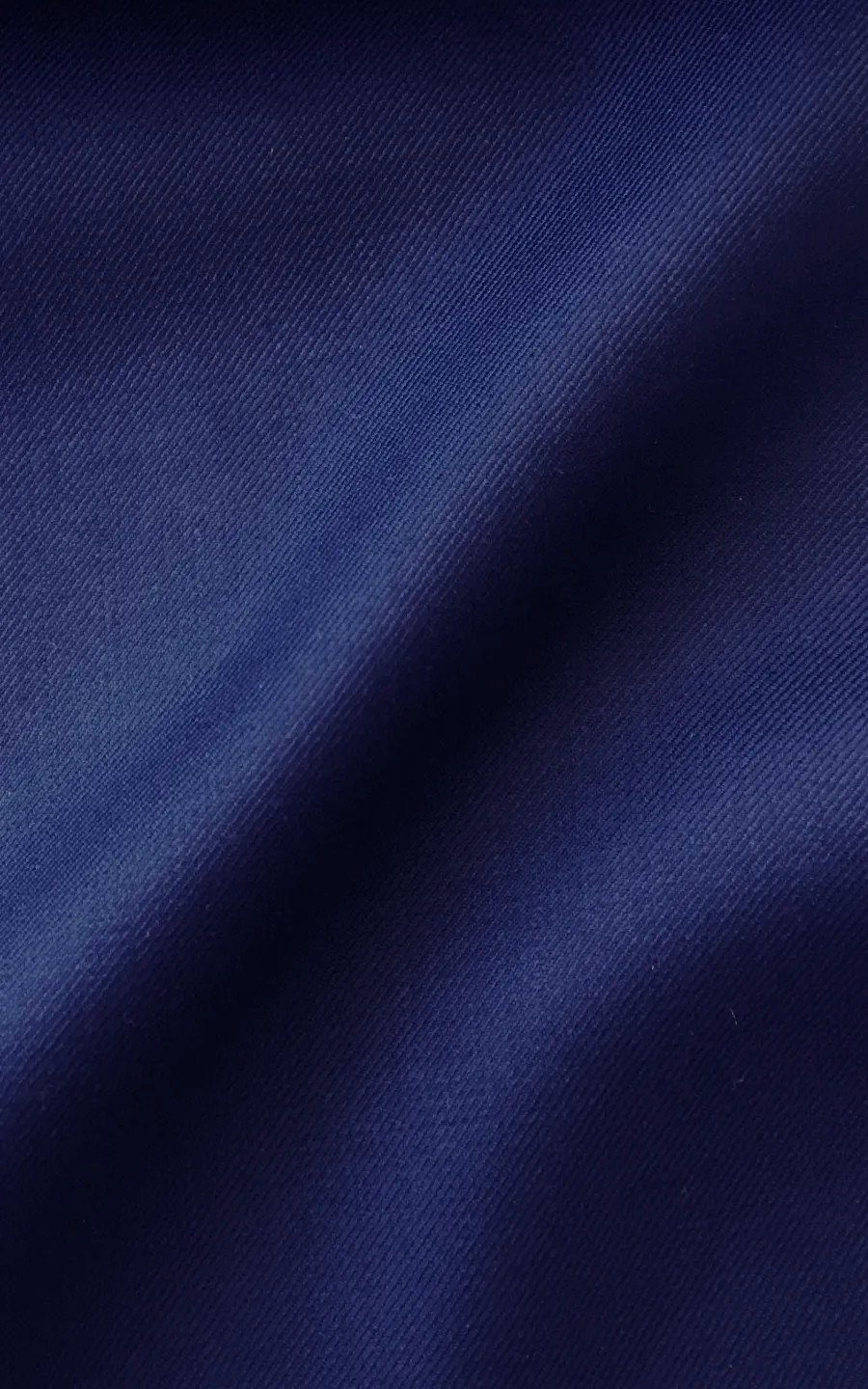
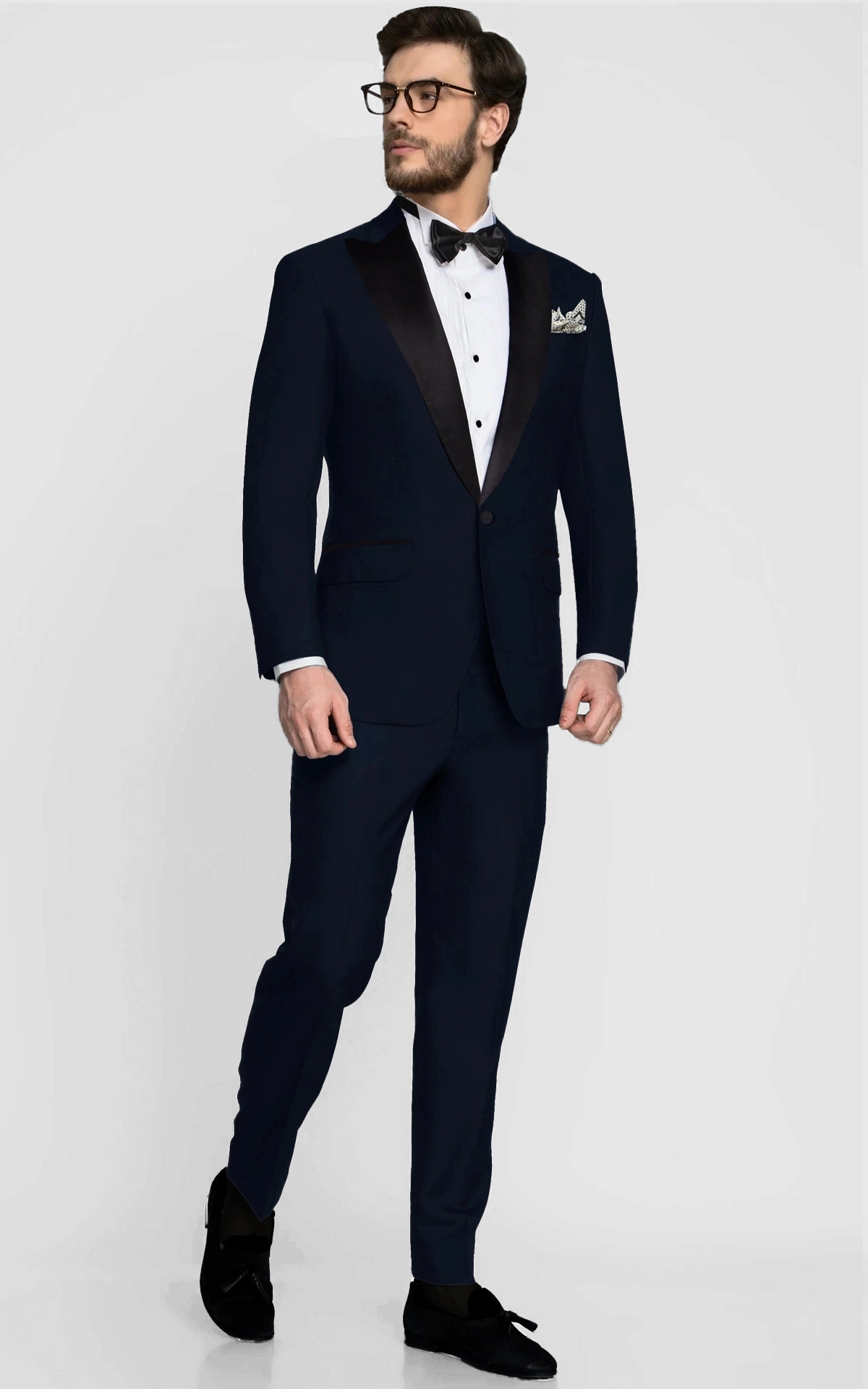
$400–$600: Entry-Level Custom or Adjusted Off-the-Rack
This range can work for one-time events, budget weddings, or buyers who simply need formalwear without expecting long-term performance.
But this is also where you need to be careful. Some tuxedos in this range are “custom” only in the lightest sense: standard patterns, limited cloth choices, fused construction, and basic adjustments. If the price is low because the garment cuts corners, you will usually feel it in the chest, shoulders, cloth, and dry-cleaning durability.
If the price is low because the brand uses technology, direct manufacturing, and made-to-order production, that is different. That is value engineering.
This is the distinction Hangrr was built around.
$600–$1,200: The Real Value Zone
For most tuxedo buyers, this is the sweet spot.
At this level, you should expect better cloth, stronger pattern control, more customization, and ideally half-canvas construction through the chest and lapels. This is where a tuxedo starts to feel like something you own, not something you survive for one night.
The jacket should drape better. The lapel should roll cleaner. The trousers should sit without fighting your body. The garment should be able to handle repeated wear, proper care, and future events.
This is also where Hangrr can pack in serious value.
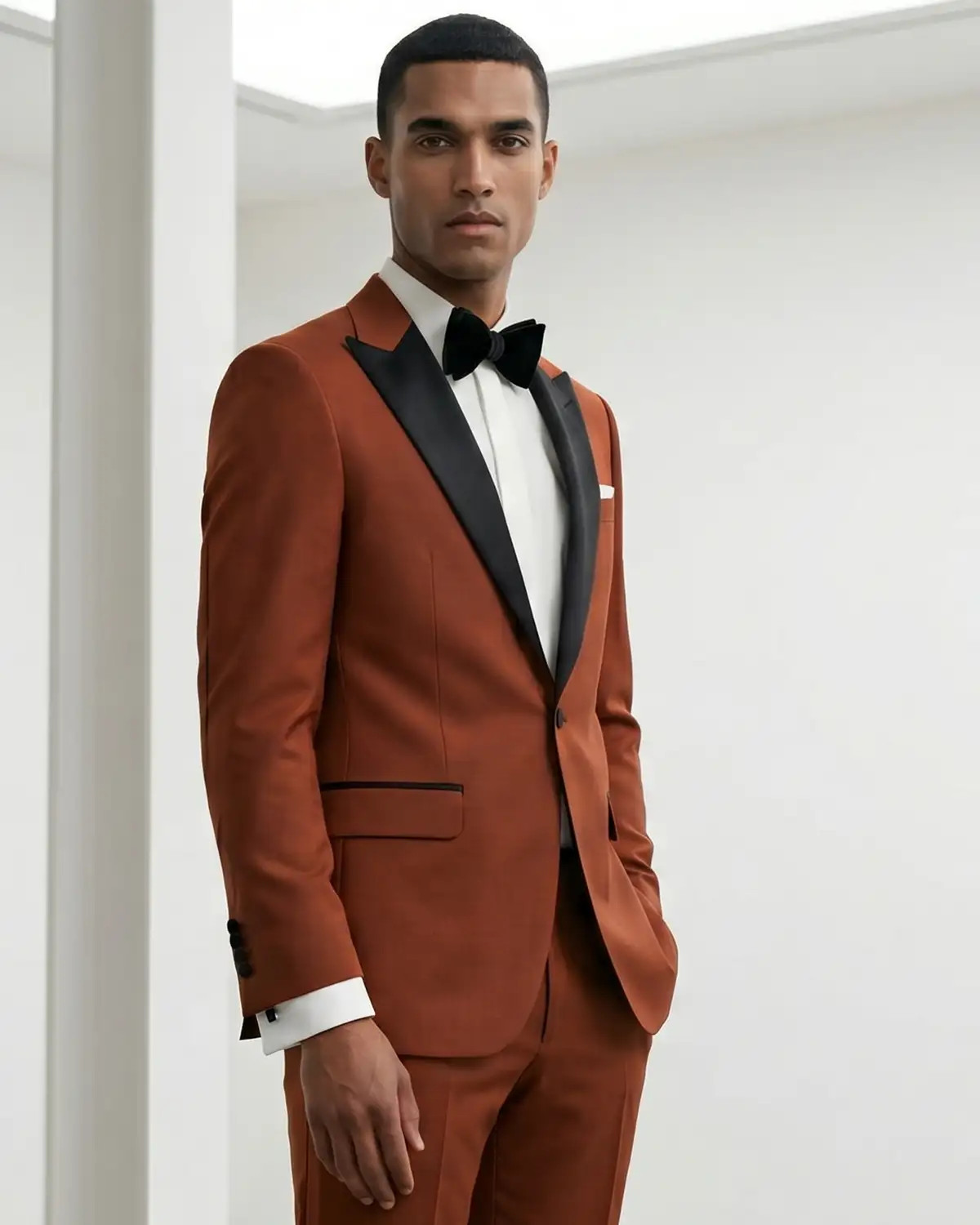
Bold New Tuxedos
Products in this look

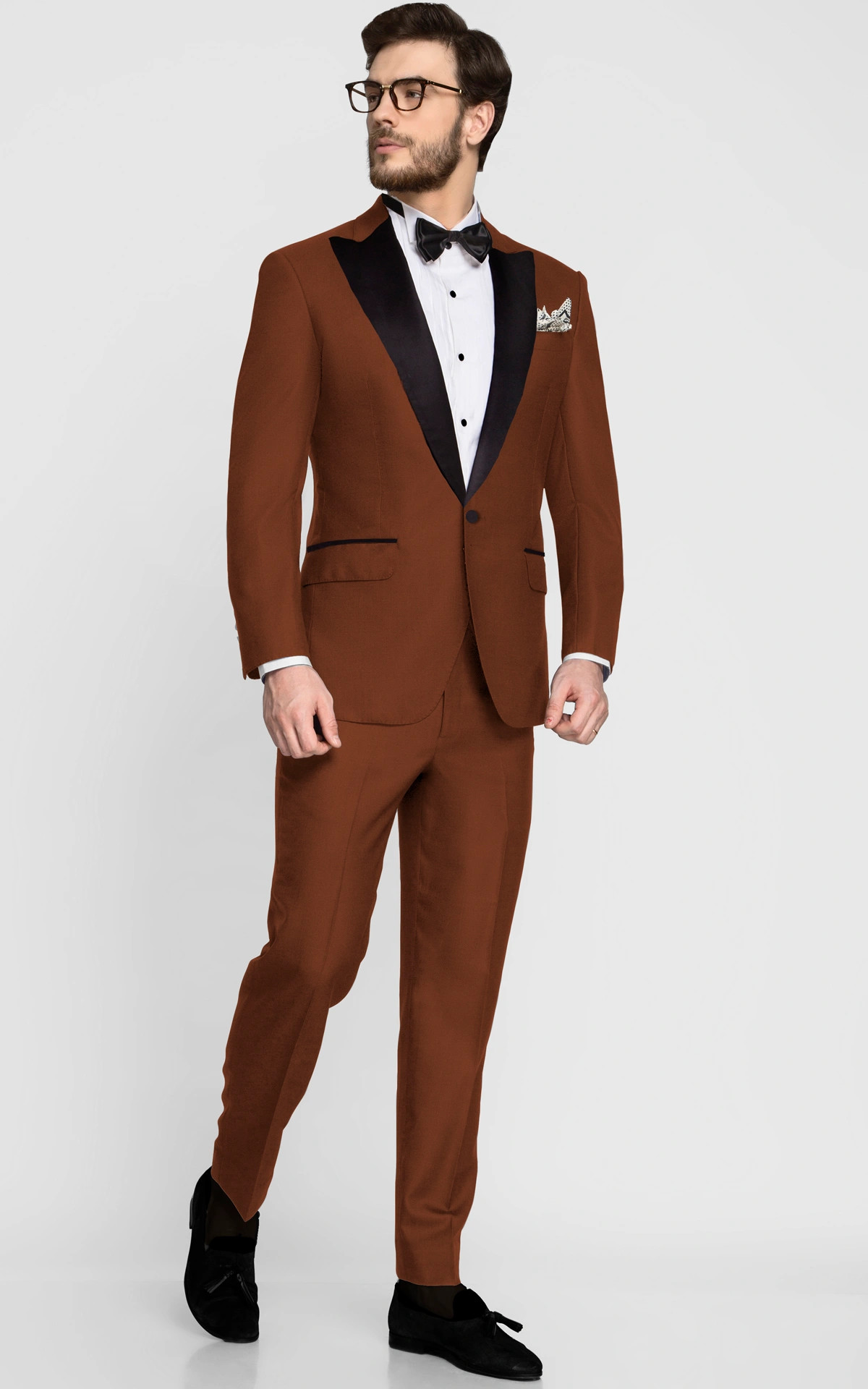
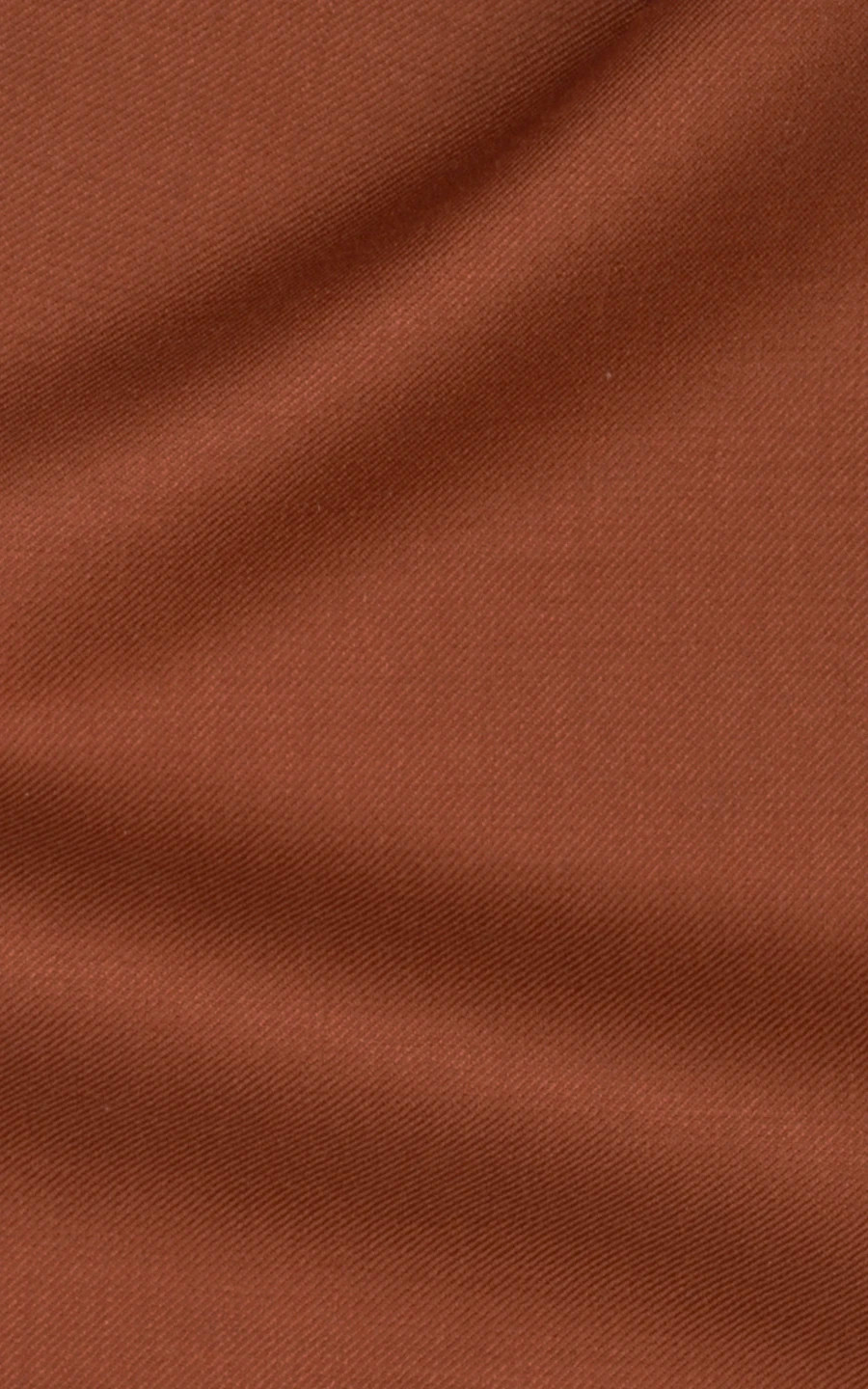
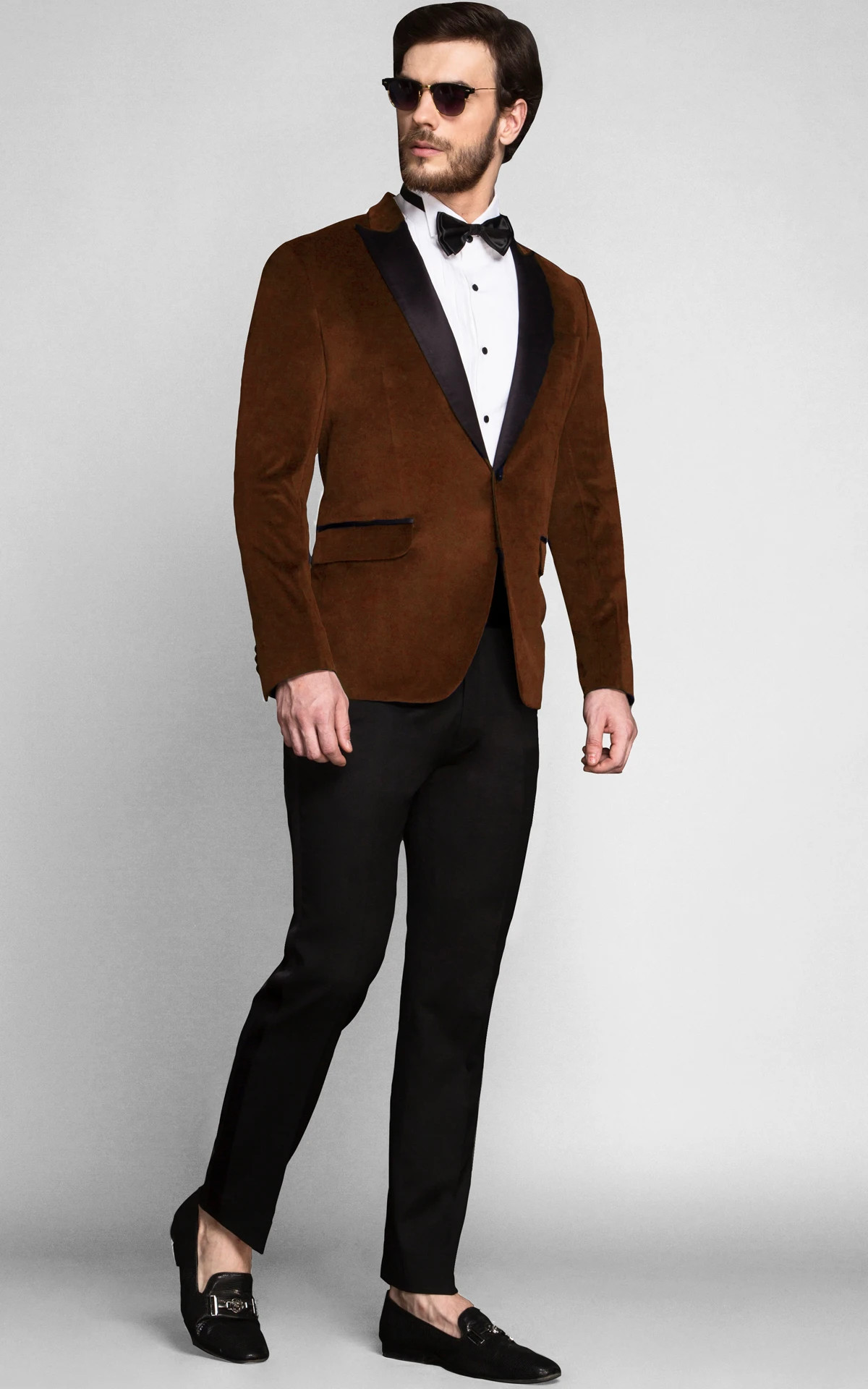
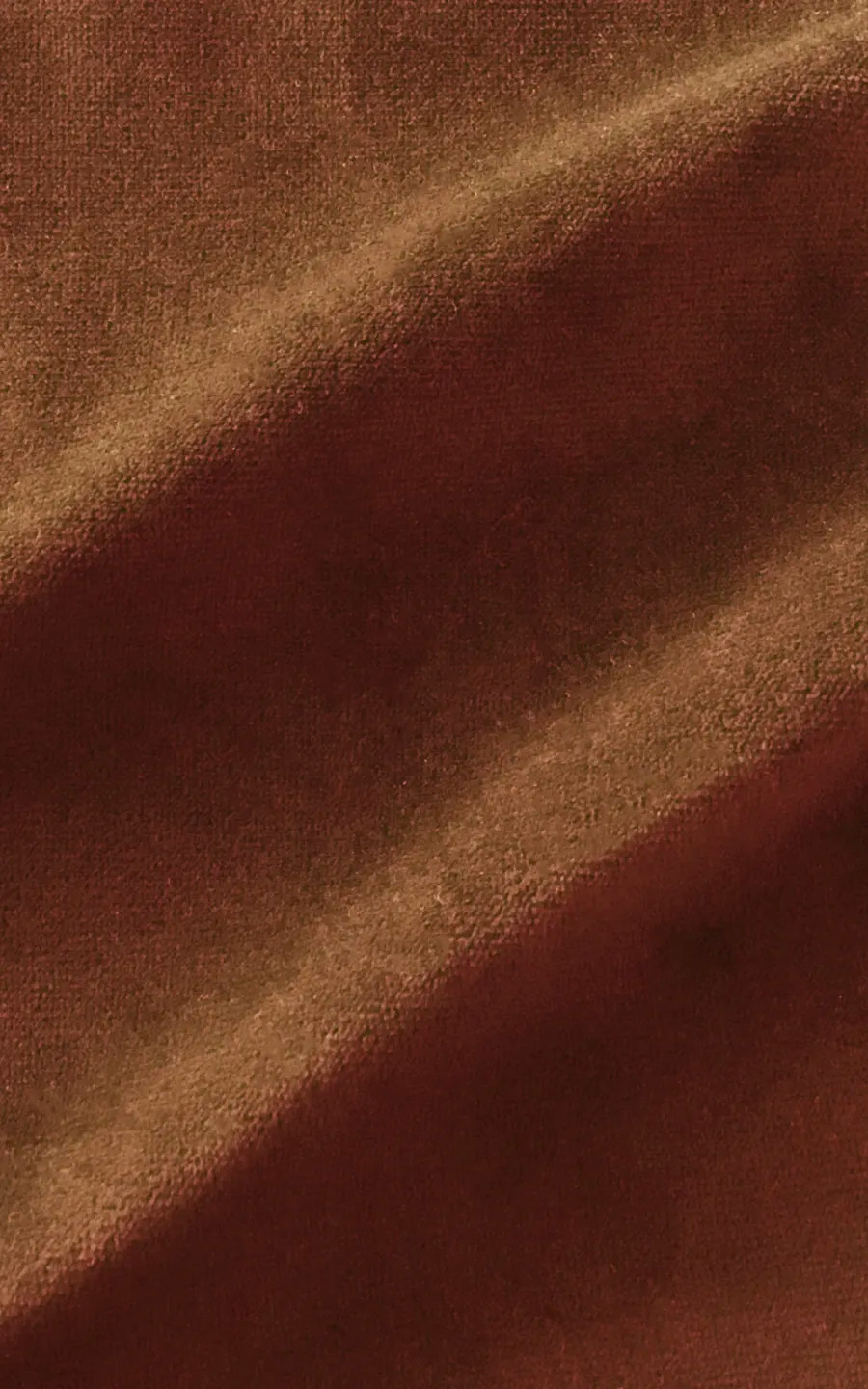
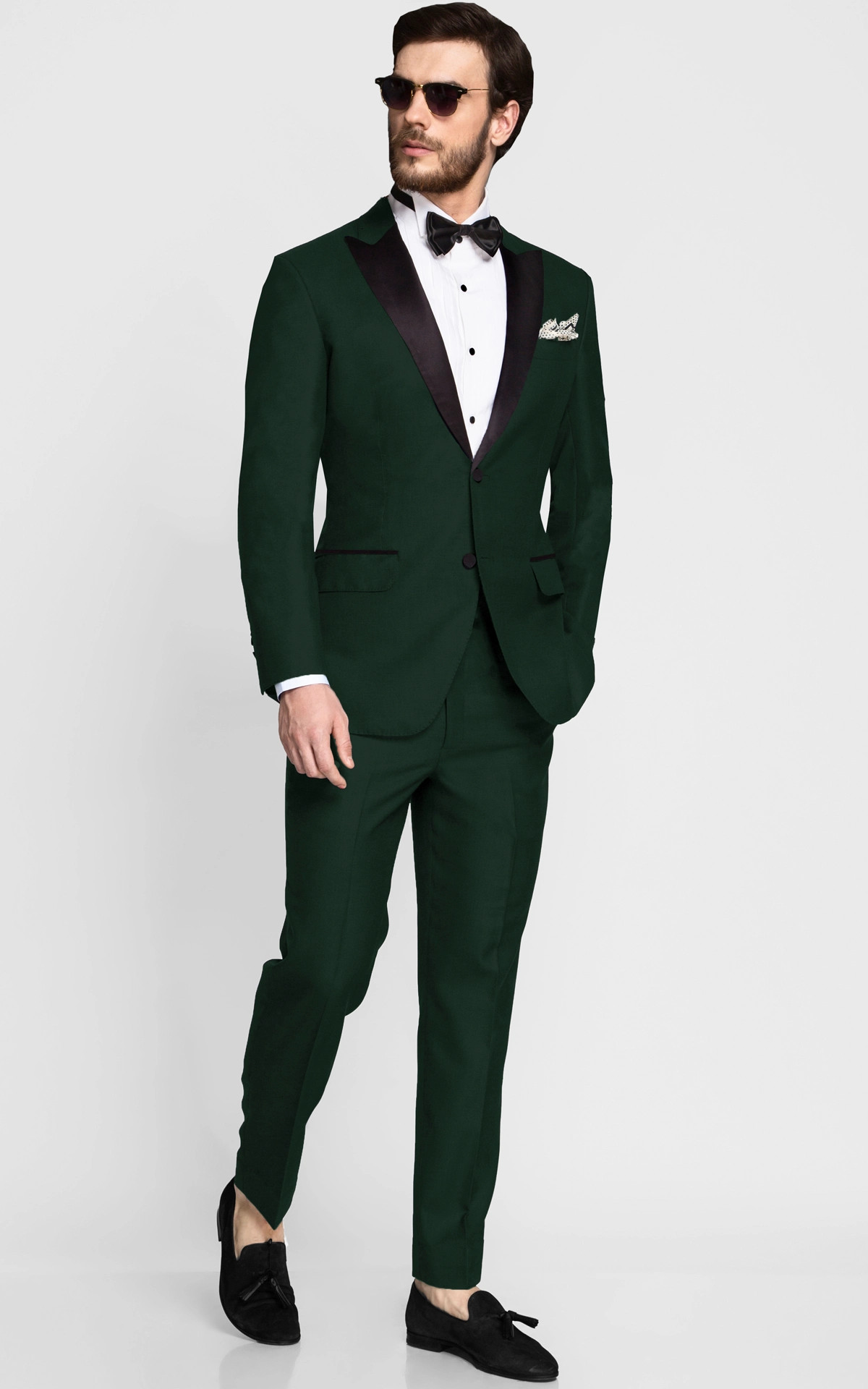
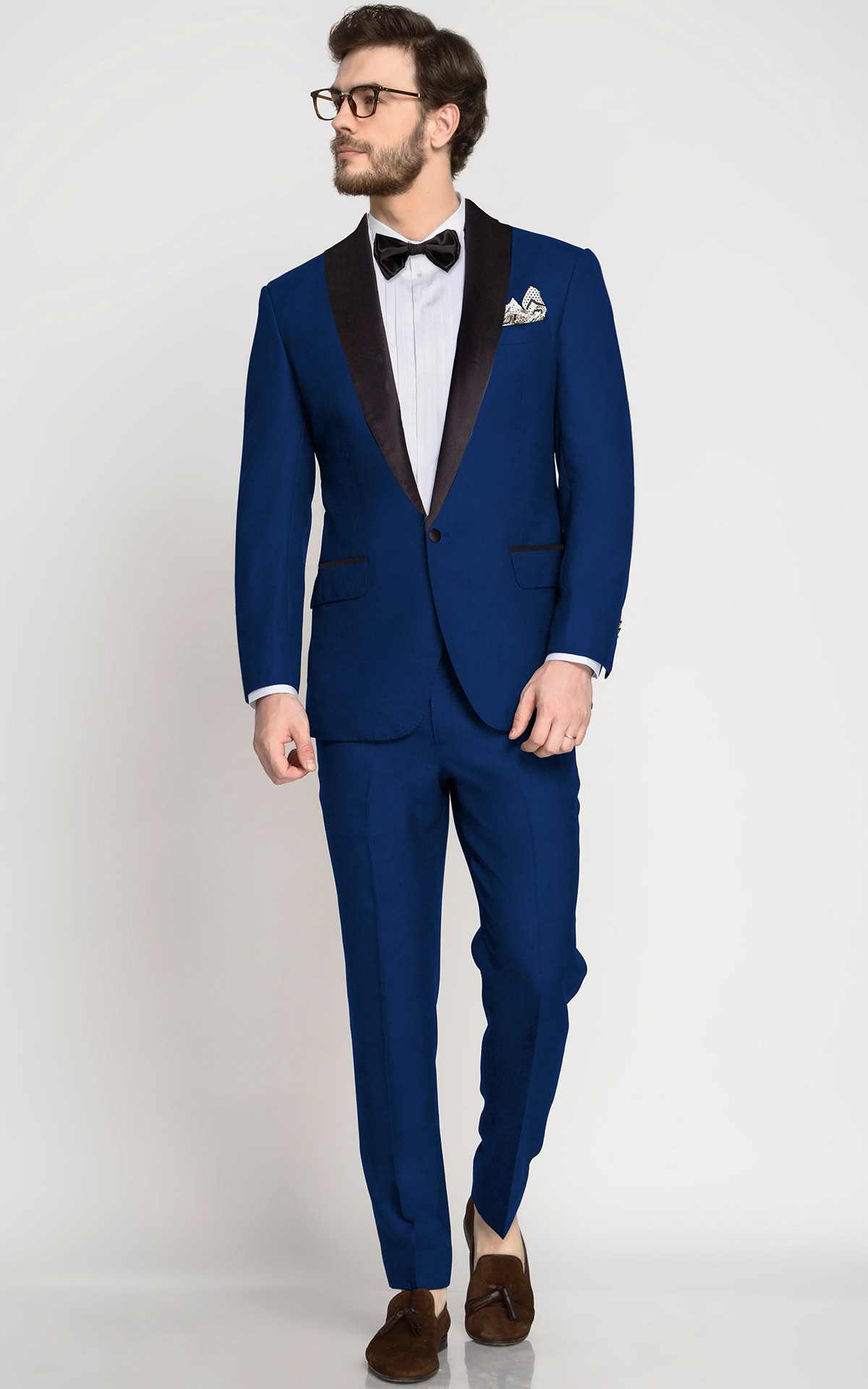
Instead of spending the budget on retail overhead, you can put it into the garment itself: pure wool, richer luxury fabrics, handmade canvas upgrades, better lining choices, refined lapels, custom buttons, sharper trouser finishing, and a fit profile built around your body.
That is the advantage of this price zone. You are not just buying “a tuxedo.” You are choosing where the value goes.
With Hangrr, a buyer near this range can move beyond basic tux and build something closer to a premium tuxedo: better cloth, better structure, better personalization, and a cleaner long-term fit story.
The goal is not to spend more for the sake of spending more. It is to use the budget where it actually shows: in the drape, the hand feel, the lapel roll, the comfort, and the way the tuxedo still looks sharp after the event photos are done.
$1,200–$2,500: Premium Custom
This range can be excellent when the money truly goes into the garment.
You may get finer cloth, more handwork, more refined finishing, better linings, fuller customization, or full-canvas construction. You could get in-store master tailor and stylist for guiding you. For someone who wears black tie often, hosts formal events, or wants a more luxurious garment, this can make sense.
But this is also the danger zone for overpaying.
A higher price does not automatically mean better construction. Sometimes it simply means the tuxedo passed through more expensive rooms before it reached you. Ask what cloth is being used. Ask whether it is fused, half-canvas, or full canvas. Ask what happens if the fit is wrong.
If the answers are vague, the price is doing more work than the tuxedo.
$4,000+: Bespoke
Bespoke is its own category.
Here, you are paying for a pattern drafted from scratch, multiple fittings, extensive handwork, and the experience of working directly with a tailor. For unusual body proportions, posture issues, or collectors who value the craft itself, bespoke can be worth it.
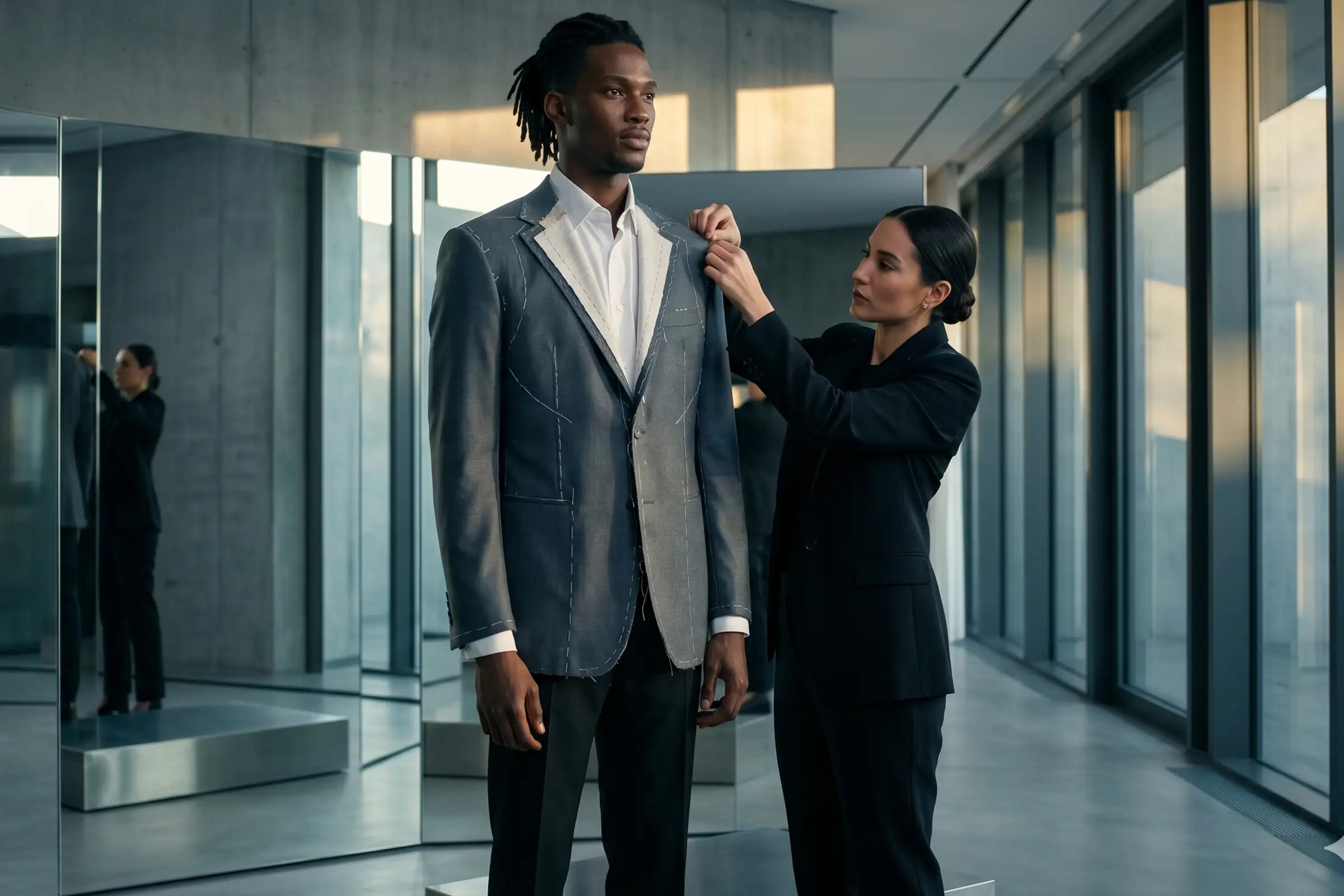
But for most tuxedo buyers, bespoke is not required to get excellent fit.
A well-executed made-to-measure tuxedo with strong measurement logic, good cloth, and proper construction can solve the needs of most people at a much lower cost.
Bespoke is beautiful. It is also not the only path to a tuxedo that fits, photographs well, and lasts.
The Simple Rule
Pay more when the money improves the tuxedo.
- Pay more for better cloth.
- Pay more for better construction.
- Pay more for a better fit system.
- Pay more for skilled human expertise where it matters.
But do not automatically pay more for store rent, unsold inventory, middlemen, or alterations caused by poor initial fit.
That is the modern custom tuxedo equation.
The best value is not always the cheapest tuxedo. It is the tuxedo where the highest percentage of your money ends up in the garment itself.
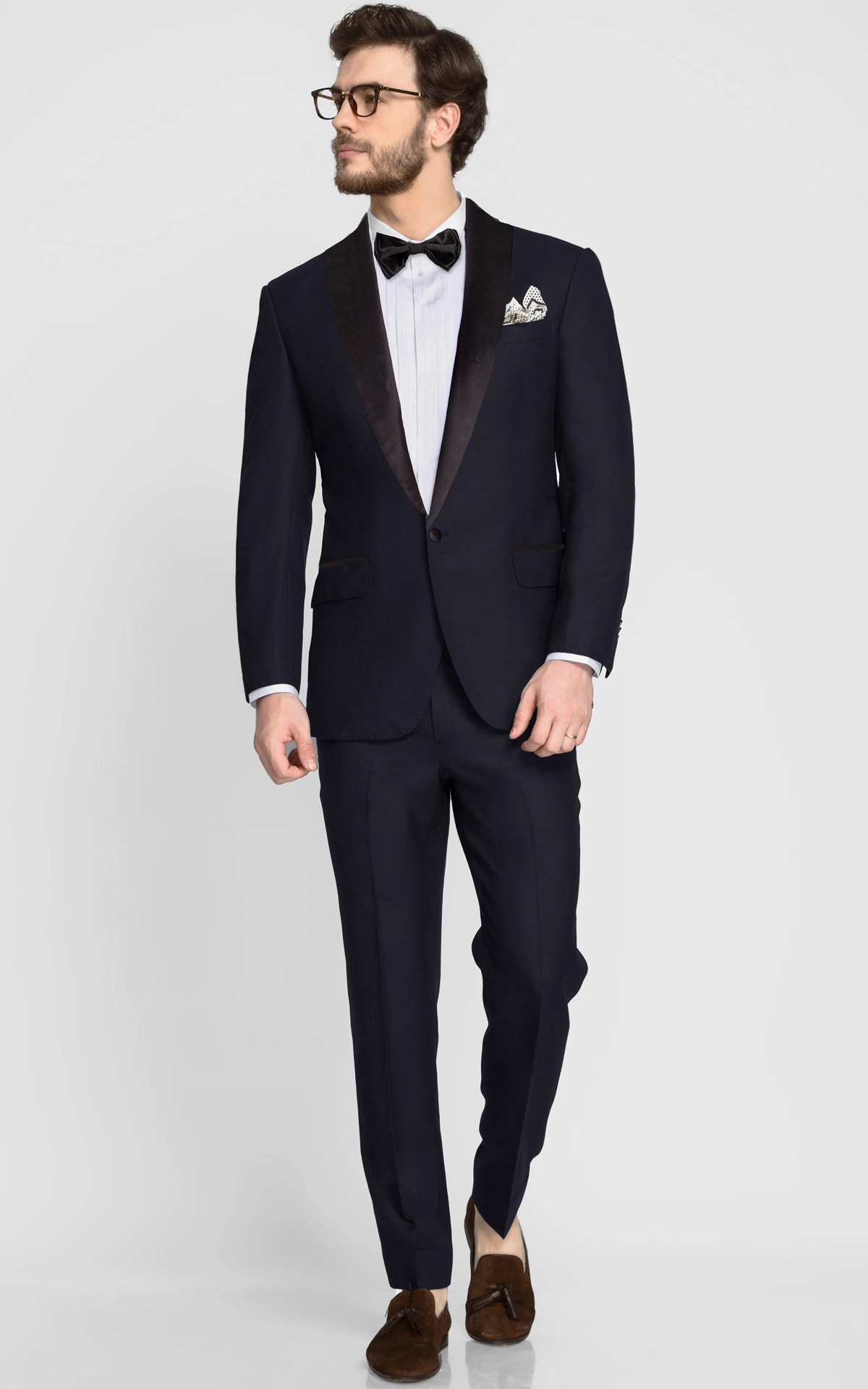
Shop Vegan Tuxedos
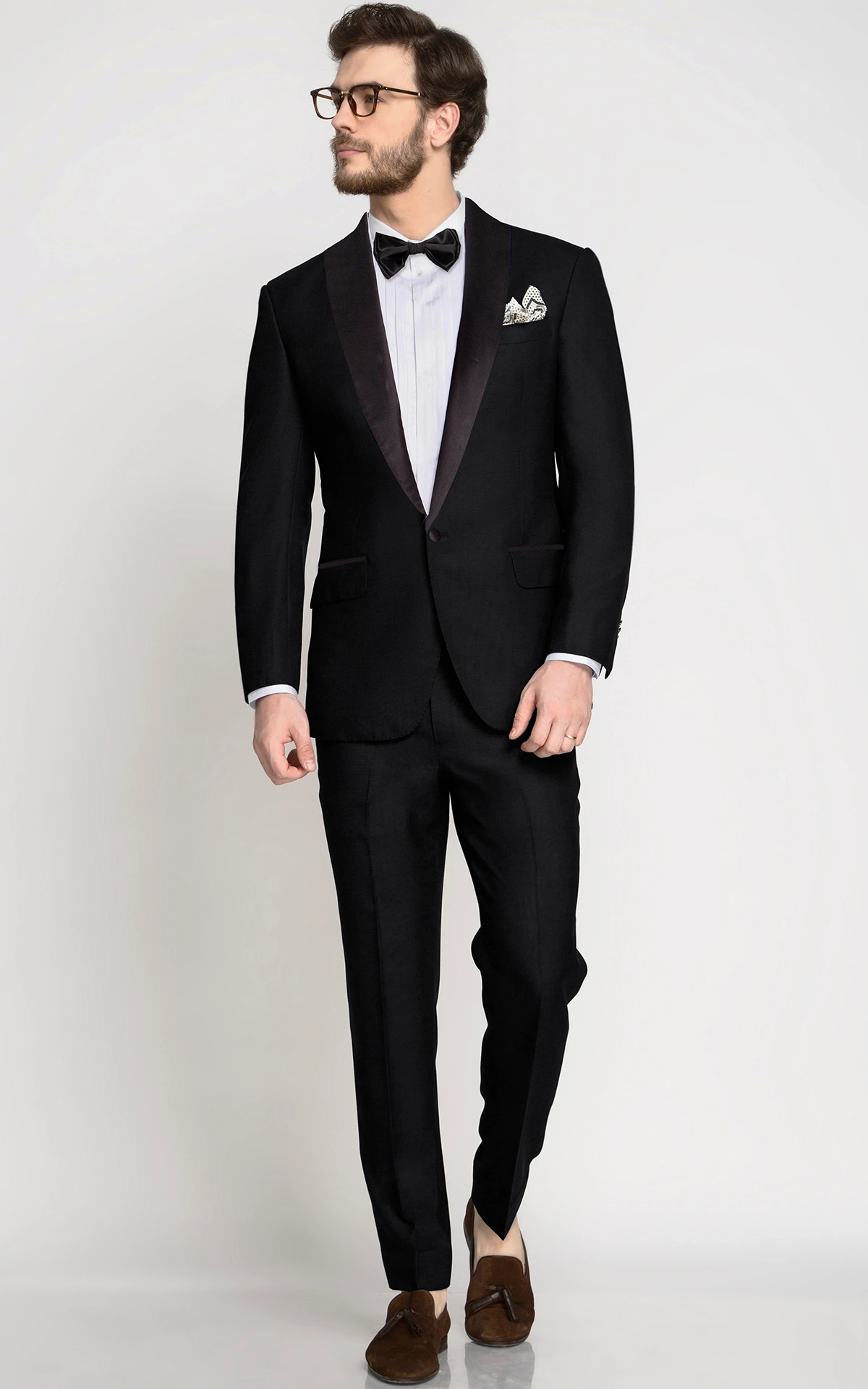
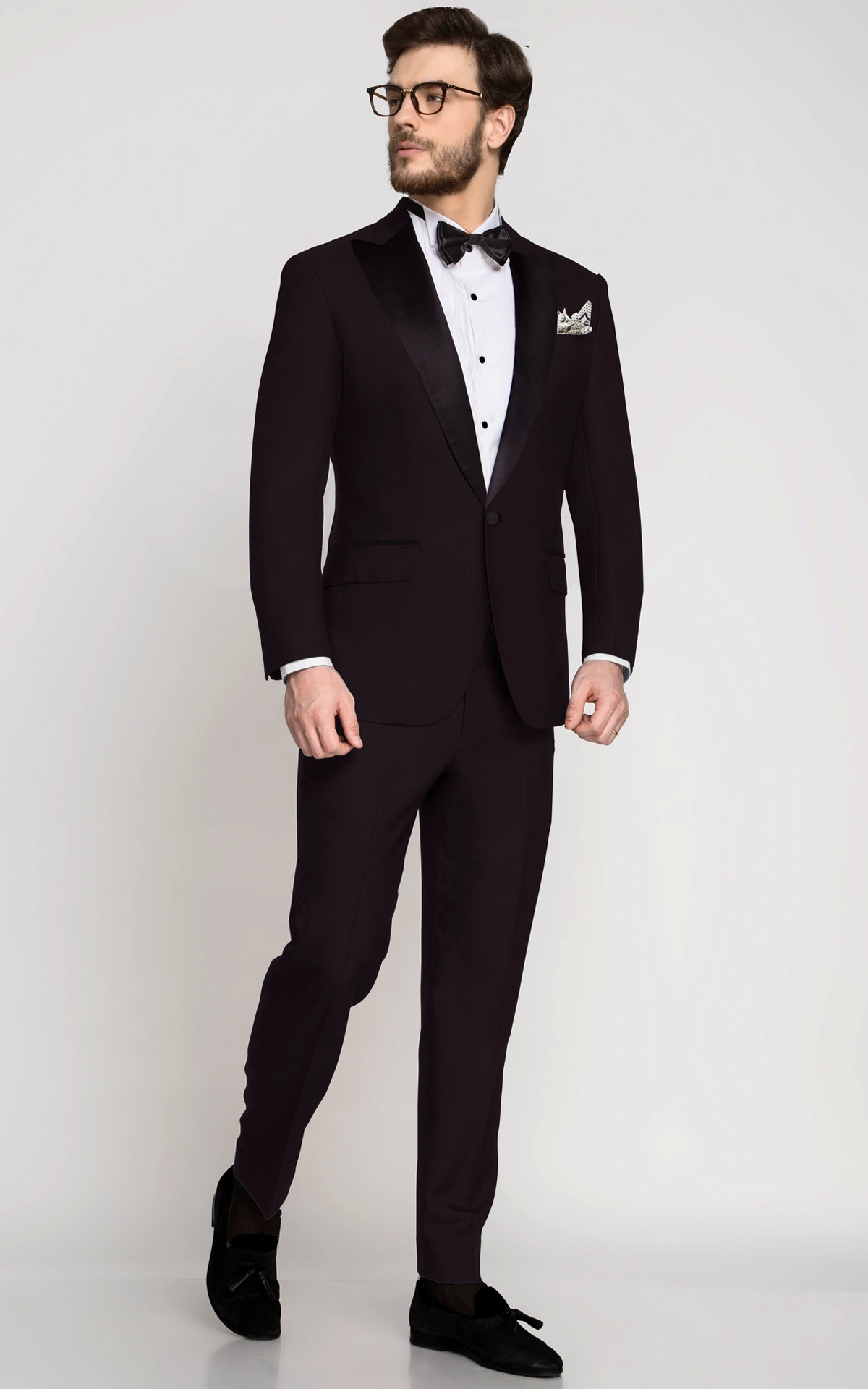

Common Mistakes to avoid
A custom tuxedo gets expensive in two ways.
One is obvious: you choose better cloth, better construction, better details, and better fit support.
The other is quieter: you pay for things that do not improve the garment.
That is where buyers lose value.
Mistake 1: Assuming higher price means better tuxedo
A higher price can mean better fabric, canvas, handwork, and fit expertise. It can also mean showroom rent, distributor markup, sales commissions, and brand theatre.
The fix: ask what the price is actually buying. Cloth? Construction? Fit system? Guarantee? Or just a more expensive path to the same garment?
Mistake 2: Chasing the highest Super number
Super 150s sounds better than Super 120s. Sometimes it is softer. But softer is not always smarter.
Finer wool can be more delicate, harder to maintain, and less practical for travel or repeat wear. For most tuxedo buyers, Super 120s–130s is often the better balance of refinement, drape, durability, and care.
The fix: choose fabric by use case, not ego.
Mistake 3: Ignoring construction
Most buyers look at lapels, buttons, and fabric first. Fair. That is what you can see.
But construction decides how the tuxedo behaves after you put it on. Heavy fused structure may look clean on a hanger but feel stiff on the body. Half-canvas or better gives shape where it matters: chest, lapel roll, front drape, and long-term structure.
The fix: ask what is doing the shaping — heavy fusible, floating canvas, or handwork?
Mistake 4: Treating alterations as normal
Small adjustments are normal.But major alterations are often a sign that the tuxedo was not built around your body in the first place.
If the shoulders are wrong, the chest balance is off, or the trouser rise does not suit your proportions, alterations can only do so much. You may end up paying extra to rescue a garment that started wrong.
The fix: pay attention to the fit system before production, not just the tailor after delivery.
Mistake 5: Buying for one event only
A tuxedo is often purchased for a wedding, gala, or black-tie invitation. But if you choose too narrowly, you may end up with something you never wear again. Overly trendy styling, delicate cloth, or poor fit can make the tuxedo feel event-specific instead of useful.
The fix: choose classic bones, personal details, and fabric that fits your future calendar.
Mistake 6: Underestimating comfort
A tuxedo is not just for standing in photos. You sit. Eat. Dance. Travel. Hug people. Sweat slightly under lighting that was apparently designed for reptiles.
Comfort matters. Poor cloth traps heat. Bad armholes restrict movement. Wrong trouser rise ruins the line. A stiff chest makes the jacket feel borrowed even if it is technically “custom.”
The fix: judge value by wearability, not just appearance.
Mistake 7: Forgetting the guarantee
The fit policy matters.
A custom tuxedo is only as good as what happens if the first version is not right. A strong guarantee shifts risk away from the buyer. A weak policy turns every fit issue into your problem.
The fix: ask what happens after delivery before you place the order.
The Mistake Rule
Do not overpay for theatre.
Do not underpay where it damages comfort, fit, or longevity.
The smartest tuxedo buyer pays for the things that stay with the garment: cloth, construction, fit logic, care, and confidence.
Key Takeaways
- A custom tuxedo should be judged by value density, not just price. The real question is how much of your money goes into cloth, construction, fit, and longevity.
- The biggest construction upgrade for most buyers is moving away from heavy fused structure into half-canvas or better, especially through the chest and lapels.
- Fabric should be chosen by use case. Pure wool, wool-rich blends, luxury cloth, and vegan-forward fabrics can all make sense when matched to climate, wear frequency, maintenance, values, and budget.
- Higher price does not always mean better tuxedo. It may mean better materials and workmanship, or it may mean showroom rent, inventory risk, sales commissions, and retail markup.
- AI-calibrated fit changes the economics by reducing avoidable measurement errors and helping the tuxedo start closer to the body before alterations enter the picture.
- Hangrr’s advantage is not simply a lower starting price. It is the ability to put more of the budget into the garment itself: cloth, canvas, pattern, fit, customization, and support.
- The best tuxedo is the one you want to wear again. That is where cost-per-wear, confidence, and sustainability all start working together.
Frequently Asked Questions
A custom tuxedo is a high-intent purchase. The price matters, but so does what the price includes. These are the questions worth answering before you compare numbers.